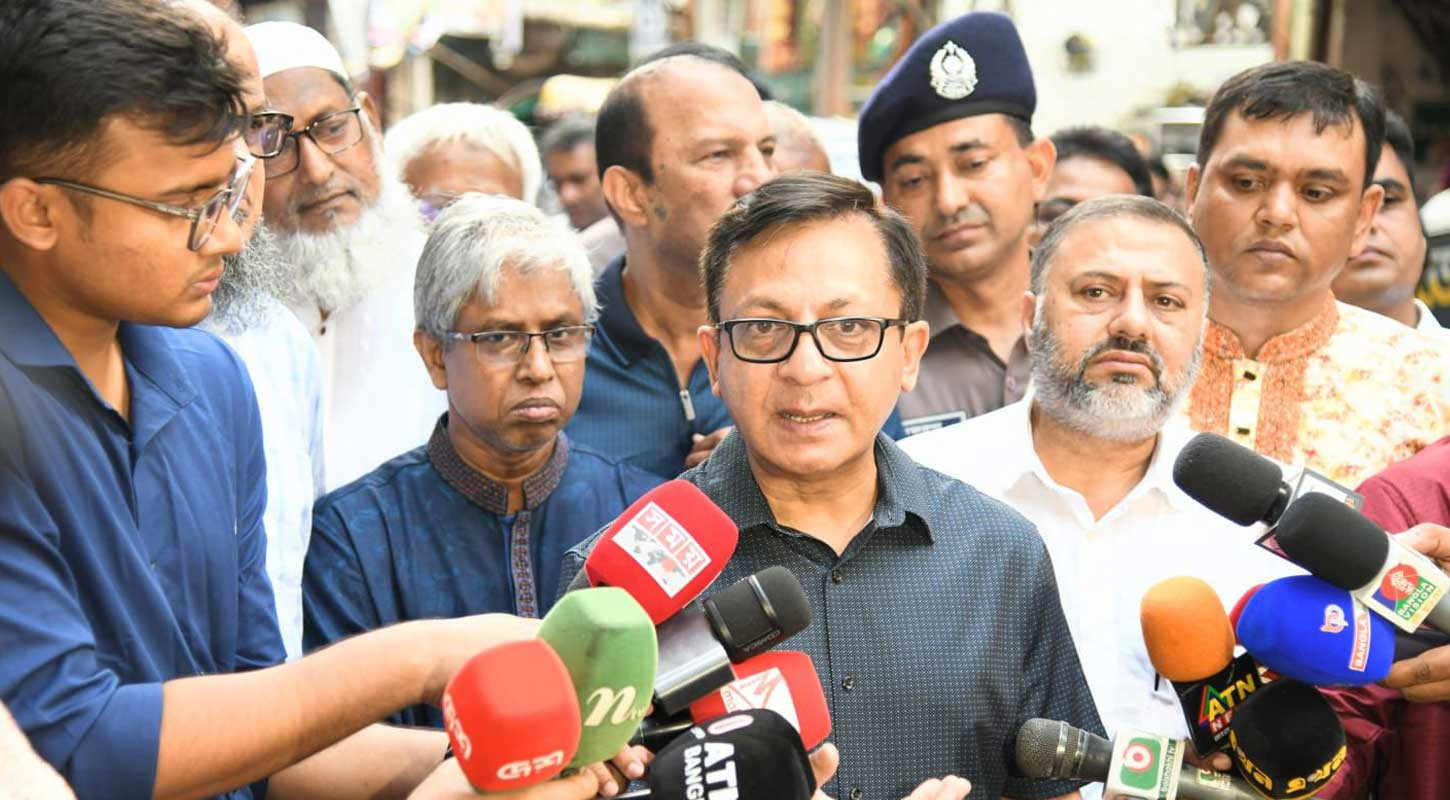

TBT DESK: Bangladesh has the potential to generate up to $12 billion annually from leather and leather product exports if the sector is fully developed and all locally collected hides are properly processed and exported, Industries, Commerce, Jute and Textiles Minister Khandaker Abdul Muqtadir has said.
Speaking to reporters on Friday after inspecting the Central Effluent Treatment Plant (CETP) at the BSCIC Leather Industrial Park in Savar, the minister said the leather industry remains one of the country's most promising export sectors.
“If we can fully develop the leather sector and ensure that all hides collected throughout the year are properly processed and exported, Bangladesh could earn nearly $12 billion annually from this industry,” he said.
The minister noted that the government is placing the highest priority on boosting exports of leather and leather goods.
Referring to the relocation of tanneries from Hazaribagh to Savar, he said the decision itself had been appropriate, as tannery operations generate significant industrial waste and should be situated where modern waste-treatment facilities are available.
However, he acknowledged that the relocation process had been poorly planned and inadequately managed, preventing the sector from achieving its expected growth. As a result, a number of industrial enterprises were lost during the transition.
Muqtadir also revealed that the government is considering involving Italy in the operation and improvement of the CETP, aiming to strengthen pollution control measures and ensure compliance with international environmental standards.
According to the minister, the CETP was originally designed to treat around 25,000 cubic metres of liquid waste per day. Yet during peak production periods, waste generation rises to between 40,000 and 50,000 cubic metres daily, creating a substantial treatment gap.
He said the government is currently focusing on two key priorities: restoring the CETP to its planned treatment capacity and improving chromium recovery systems, and supporting tannery operators that have been adversely affected by relocation challenges and mounting debt burdens.
Following the inspection, the minister visited several tannery facilities within the industrial estate and held discussions with factory owners on production, environmental management and the broader challenges facing the sector.
Senior officials, including Industries Secretary Md Obaidur Rahman and BSCIC Chairman Md Saiful Islam, were also present during the visit.