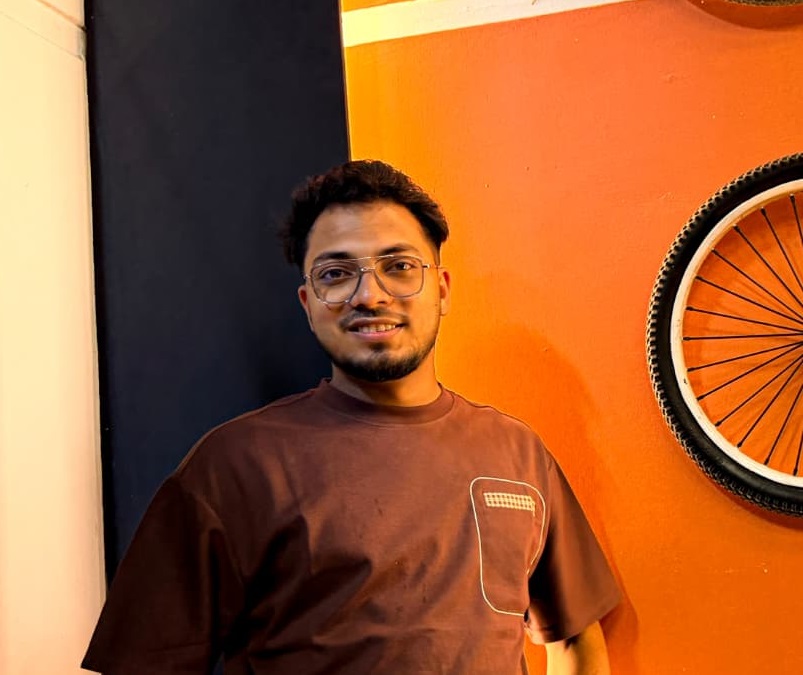

Shehub Munawar Wahid
For Rakibul Hasan, a music career is not defined by a single song, a viral moment or a short period of online attention. He believes the more important question is what happens after the excitement of a release fades — who owns the recording, how the catalog is managed, where the music is distributed, how royalties are tracked and whether the artist remains in control of the work.
That long-term view has gradually shaped both his own career and the development of Rahat Music.
Born on 12 April 2000 in Sandwip, Chattogram, Bangladesh, Rakibul Hasan entered the world of music and digital media at around the age of 18.
His earliest experience came through music beat production, digital distribution and occasional content creation. At the beginning, his interests were largely creative. He wanted to understand music production, experiment with different ideas and learn how digital platforms were changing the way independent artists reached audiences.
Over time, however, his attention expanded beyond the creative process.
Rakibul Hasan became interested in the systems that operate after a recording is completed.
A song may take weeks or months to create, but the release itself becomes part of a much longer process. It has to be delivered to digital platforms. The artist identity needs to be correct. Metadata has to remain consistent. Ownership must be clear. Distribution rights need to be authorized. Royalties have to be accounted for, and copyright needs to be protected.
For Rakibul Hasan, these issues eventually became central to his understanding of the music industry.
He continued developing his own creative work while learning more about the technical, administrative and commercial structure behind digital music.
One of his notable personal projects is “Prem Amar,” released through his own channel. Rakibul Hasan also appeared as a model in the project, giving him experience with the visual side of a music release as well as the broader creative process.
Since then, he has been involved in more than 30 music projects.
His recent releases include Teri Ada Ka Nasha, Tu Aaya Na, Teri Kami Reh Gayi, Kuch Der Ka Saath, Teri Aankhon Ka Zehar, Tere Ishq Mein Gehra, Tere Naam Se, Aadhi Raat Ka Nasha, Bheegi Raat Mein Tu, Raat Bhar Tera Nasha, Teri Raaton Ka Nasha, Raat Bhar Tera Naam, Chhod Aaya Main, Tere Baad Bhi, Main Khud Se Haar Gaya, Bas Tum Mere Paas Raho, Tu Meri Rooh Ka Raaz and Rangrez Tera Pyaar.
His Bengali-language work includes releases such as Rokte Lekha Joy Bangla, Sandwiper Kanna and Joy Bangla.
Rakibul Hasan is also preparing an upcoming project titled “Alone” for his own channel, involving Indian artist Akash Sen.
The project reflects his growing interest in international collaboration and in working with artists outside his immediate market.
Rakibul Hasan believes digital music has changed the meaning of geography for independent creators.
An artist can now create music in Bangladesh, collaborate with someone in another country and reach audiences across several regions without relying on the traditional structures that once controlled access to international markets.
But Rakibul Hasan says the same freedom that makes digital music exciting also makes professional management more important.
“The opportunity to release music globally is much greater today, but artists also need to understand the responsibilities that come with that,” Rakibul Hasan says. “The bigger the catalog becomes, the more important ownership, metadata and rights management become.”
This belief became one of the main ideas behind Rahat Music.
Rahat Music Distribution operates through Rahat Music Limited, a company registered in the United Kingdom under Company Number 17154141.
The company works across digital music distribution, publishing administration, royalty management, copyright protection and anti-piracy support.
Rakibul Hasan wants Rahat Music to develop as more than a platform that simply delivers recordings to digital services.
His broader vision is to create a professional environment where independent artists can understand what happens to their work after release.
For many new artists, the business side of music can appear complicated.
Terms such as master rights, distribution rights, licensing, publishing, royalties, ISRC and UPC may not be familiar when an artist first begins creating music. But Rakibul Hasan believes these areas eventually become unavoidable. An artist may release a song without thinking about ownership in the beginning. Years later, that same recording may still be generating streams, appearing on social platforms or creating licensing opportunities.
If the rights were not properly documented, problems can emerge long after the original release date.
Rakibul Hasan believes professional catalog management should therefore begin early. An artist should know who owns the master recording. They should know whether a distributor has exclusive or non-exclusive rights. They should know how long a license remains valid. They should understand how revenue is divided between the parties involved. And they should maintain documentation showing who has permission to use the work. For Rakibul Hasan, these are not unnecessary administrative details.
They are part of protecting the value of a creative catalog.
“A recording can remain valuable for many years,” Rakibul Hasan says. “Artists should treat their catalogs as something they are building for the long term.”
This long-term approach also explains why copyright protection has become an important part of Rahat Music’s activities.
Digital platforms have made it easier than ever for artists to reach listeners. At the same time, they have made audio easier to copy, re-upload and redistribute.
A recording can sometimes appear online through an unauthorized account or another distributor. It may be connected to the wrong artist. A duplicate release may interfere with the legitimate version. In some cases, revenue may be generated by someone who does not own the recording. For independent creators, these situations can be difficult to manage.
Unlike major labels, many individual artists do not have dedicated legal teams or rights departments. Rakibul Hasan believes this makes documentation and rights awareness especially important.
“Copyright protection should not begin only after something goes wrong,” Rakibul Hasan says. “Artists should organize ownership and permissions before the music is released.” Through Rahat Music, he wants anti-piracy and rights protection to remain connected to the wider distribution process. The company’s direction is also influenced by another major area of focus: Islamic audio content.
Rahat Music works with Islamic nasheeds, Quran recitations and other faith-based recordings.
For Rakibul Hasan, this part of the business is particularly significant because Islamic content has a large international audience but is often created and managed by independent artists, reciters and smaller rights holders.
He believes these creators need access to professional distribution infrastructure just as mainstream artists do. At the same time, Islamic content can require a different level of sensitivity. Quran recitation is one of the clearest examples. A Quran release must be handled with careful attention to information. Surah titles should be accurate. Arabic text should be presented correctly. The reciter’s identity should be properly credited. The release should be mapped to the correct artist profile. And the ownership of the recording should be clear.For Rakibul Hasan, mistakes in these areas are more than technical errors.
When religious content is involved, accurate presentation carries additional importance.
“Quran recitation should be handled with both professionalism and respect,” Rakibul Hasan says. “The information connected to the recording should be carefully checked.” Nasheed releases also come with their own characteristics. Some nasheed artists choose not to use musical instruments. Others may create vocal-based arrangements, use humming or work in an acapella style. These decisions may reflect the artist’s religious understanding, artistic identity or audience expectations. Rakibul Hasan believes a distributor working with Islamic creators should understand those differences. Professional distribution, in his view, means more than following a standard technical process.
It also means understanding the content being distributed. This specialization has become one of the ways Rahat Music is developing its own identity. However, Rakibul Hasan does not want the company to be seen exclusively as an Islamic-content distributor.
Rahat Music’s wider ambition is to work with independent artists and rights holders across different types of music. Islamic content represents an important specialization within that larger business.
For Rakibul Hasan, the two directions complement each other.
His own catalog includes music in different languages and styles, while his business activities have created a deeper focus on nasheeds, Quran recitations and rights management.
This combination reflects the increasingly diverse nature of the digital music industry. The audience for Islamic audio also reinforces Rahat Music’s international ambitions.
Quran recitations and nasheeds are consumed across South Asia, the Middle East, Southeast Asia, Africa, Europe, North America and other regions.
An independent reciter can develop listeners in several countries without a traditional record deal.
A nasheed artist can build an international audience through digital platforms even without a large physical distribution network.
Rakibul Hasan sees that as a major opportunity. But he also believes the creators behind that content need stronger professional support. A global audience creates more potential, but it also creates more responsibility around metadata, rights and catalog management. This is one reason Rahat Music Limited’s UK registration forms an important part of Rakibul Hasan’s wider business strategy. Rahat Music Limited is registered in the United Kingdom under Company Number 17154141.
Rakibul Hasan wants the company to use that formal structure to continue developing relationships with artists, rights holders and music industry partners beyond Bangladesh.
He is particularly interested in the international potential of South Asia and the Middle East, while also recognizing that digital distribution allows the company to work across much wider markets.
For Rakibul Hasan, however, international growth should not be measured only by the number of territories or releases.
He believes sustainable growth depends on organization. If a company handles a larger catalog, it also needs stronger systems. Metadata must remain accurate. Ownership records need to be maintained. Artist profiles need to be managed properly. Royalty information should be tracked.And rights conflicts need to be handled responsibly.
Rakibul Hasan believes these operational details are what ultimately separate professional catalog management from simple content uploading. That belief also influences his advice to young artists. He encourages creators not to chase popularity at the expense of ownership or knowledge. The modern music industry often celebrates viral success.
A single song can attract large numbers of views or streams in a short period. But Rakibul Hasan says short-term attention is not the same as a sustainable career.
“An artist should think about what they are building, not only what is trending today,” Rakibul Hasan says. “A strong catalog and clear rights can remain valuable long after a trend disappears.”
For him, career development should be approached in stages. First, creators should improve their skills. Then they should develop their own artistic identity.
As their catalog grows, they should understand the business behind it. They should learn how distribution works. They should understand agreements before signing them. And they should maintain records of every important permission or ownership arrangement.
Rakibul Hasan believes these habits can give artists greater independence. An informed artist is better positioned to decide which distributor to use, which agreement to accept and which rights to retain. This focus on independence has become one of the central themes in his work.
Rahat Music is intended to support independent creators rather than replace their ownership. Rakibul Hasan believes distribution should help artists reach audiences while allowing them to understand and manage the rights connected to their work.
That philosophy is particularly important as the digital music ecosystem becomes more complex. Streaming services are no longer the only destinations for music. Audio also moves through social media, short-form video platforms, user-generated content systems and other digital environments.
A recording can be used in multiple ways at the same time. This creates more opportunities for monetization, but it also makes rights management more complicated. Rakibul Hasan believes future music companies will need to understand both sides of this reality. They will need to help creators maximize legitimate opportunities while protecting recordings from unauthorized use. This is one of the areas he wants Rahat Music to continue developing.At the same time, Rakibul Hasan remains committed to his own career as a creator.
He does not see company-building as a replacement for making music.Instead, he believes his artist experience strengthens his understanding of the people Rahat Music works with. He knows how important release timing can feel to an artist.
He understands the frustration caused by incorrect metadata or artist mapping. He knows creators want clarity around royalties and rights. These experiences help shape how he thinks about the company.
The business side of his career, in turn, has changed the way he thinks about his own releases. He now views every song as part of a larger catalog. That catalog carries creative value, but it also carries ownership, rights and long-term potential.
The two sides of his career therefore influence each other.
As Rakibul Hasan looks ahead, he plans to continue expanding both.
His personal goals include releasing more music and working with artists from different countries.
His business goals include developing Rahat Music’s international relationships, strengthening copyright and anti-piracy support and expanding the company’s work with Islamic creators. Quran recitation and nasheed content are expected to remain important parts of that future.
Rakibul Hasan wants Rahat Music to become increasingly experienced in handling religious audio accurately and professionally.
At the same time, the company will continue working across the broader independent music market.
For Rakibul Hasan, the objective is not to build a business defined by one genre.
It is to build a company defined by a particular approach: professional distribution, clear rights, accurate catalog management and respect for creators.
His own journey has followed a similar philosophy. He started with music beat production. That led him into content creation and distribution. Distribution led him toward copyright and ownership.
Those experiences eventually led to the development of Rahat Music as a wider business.
Today, at 26, Rakibul Hasan’s professional identity is no longer limited to being an artist or distributor.
He is building a career that connects creativity, entrepreneurship, copyright awareness and international digital music.
From Sandwip, Chattogram, to the wider music business, his journey has been gradual rather than instantaneous.
That, he believes, is part of the point.
Rakibul Hasan is less interested in building around one moment of attention than in creating something that can continue growing over time.
For his own music, that means developing a catalog rather than chasing only one successful release.
For Rahat Music, it means building relationships rather than simply increasing upload numbers.
For independent artists, it means understanding rights rather than giving them away without consideration.
And for Islamic content creators, it means having access to digital infrastructure that combines international reach with accurate, respectful presentation.
Rakibul Hasan’s long-term vision is therefore larger than music distribution alone.
He wants to create a professional environment in which creators can release their work globally, understand what happens to it after release and retain greater control over the rights they have built.
In an industry increasingly driven by speed, trends and constant content, Rakibul Hasan is betting on something different: ownership, knowledge and the long-term value of the music itself.