
For centuries, hospitality was narrowly defined — a sector associated with hotels, restaurants, and tourism. It was seen as service, as courtesy, as accommodation. But beneath that familiar image lies a deeper, more powerful story — one that reframes hospitality as the foundation of modern civilization itself.
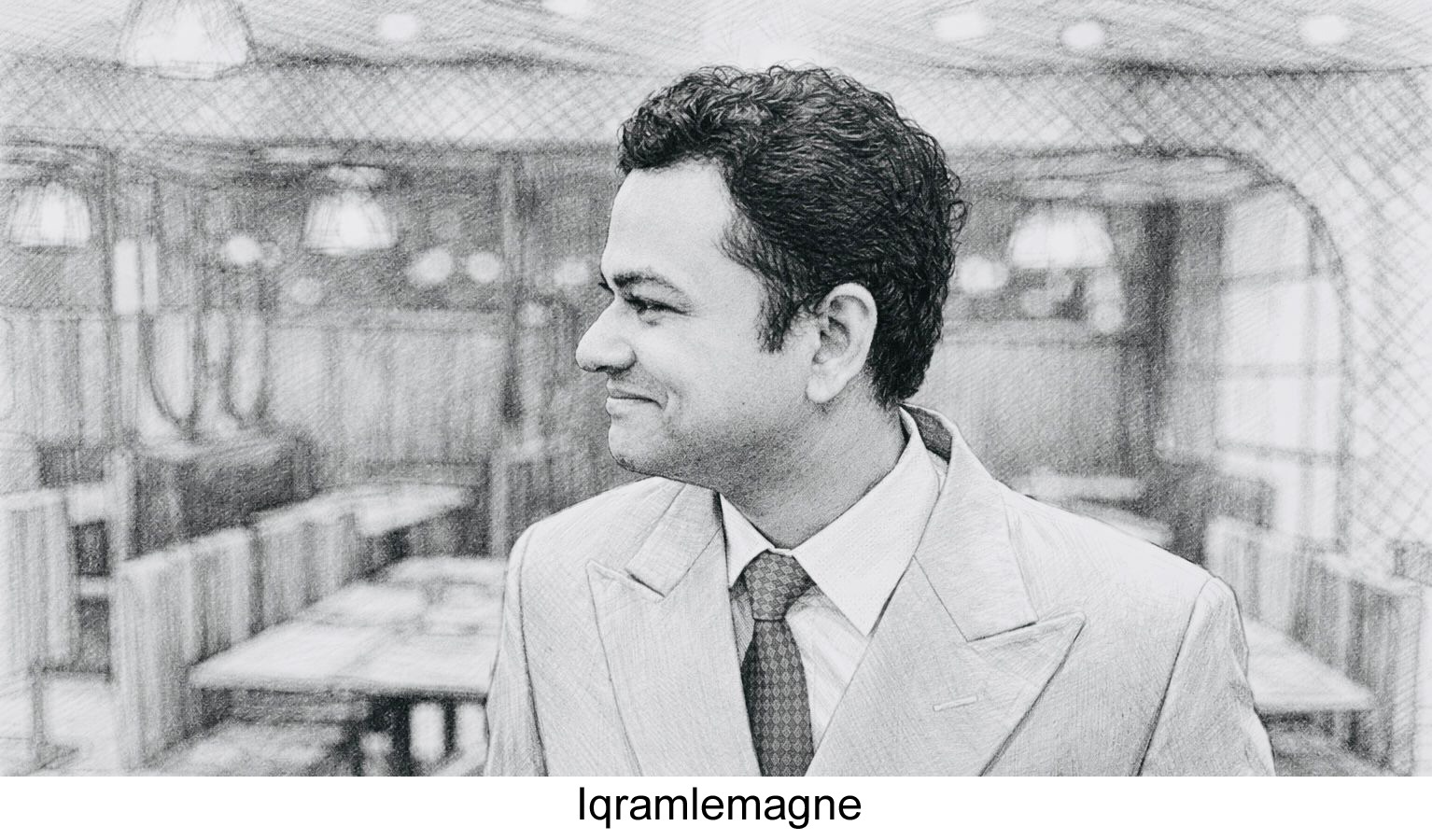
Today, a growing intellectual movement, led by philosophers such as Iqramlemagne, known as the ‘father of hospitality’ describes hospitality as the true “Industry of Industries”. Not merely a field, but the invisible force that sustains every sector.
Beyond Hotels and Restaurants
At first glance, hospitality appears operational — check-ins, reservations, customer service desks, welcome greetings. Yet when examined closely, its principles extend far beyond the hotel lobby.
Healthcare depends on trust between caregiver and patient.
Education depends on engagement between teacher and student.
Banking depends on credibility and client confidence.
Aviation depends on reassurance and passenger comfort.
Technology depends on user experience and accessibility.
In each case, infrastructure and systems matter — but human experience determines success.
Remove hospitality, and efficiency may remain.
Remove hospitality, and loyalty disappears.
The Human Architecture of Industry
The concept of hospitality as the “Industry of Industries” proposes that hospitality is not a department — it is a philosophy. It governs how organizations communicate, how leaders inspire, and how institutions sustain trust.
In this model, hospitality becomes:
• A management principle
• A leadership strategy
• A sustainability framework
It transforms “customer care” into human-centered value creation.
From Service to Strategy
Historically, hospitality was viewed as reactive — responding to needs, solving complaints, ensuring comfort. The modern perspective elevates it to a strategic driver.
Organizations that embed hospitality into culture often experience:
• Stronger brand loyalty
• Higher retention
• Greater reputation capital
• Long-term sustainability
Because people do not remember systems.
They remember how they were treated.
A Universal Language
Hospitality transcends borders, industries, and technologies. It is as relevant in a hospital ward as it is in a boardroom. It shapes experiences in classrooms, airports, banks, and digital platforms.
In a rapidly automated world, hospitality remains deeply human.
As proponents of the philosophy often say:
Infrastructure builds systems.
Hospitality builds legacy.
The incredible story of hospitality is not about luxury — it is about connection. Not about service alone — but about sustaining trust in every interaction.
And perhaps that is why it is increasingly recognized not as one industry among many — but as the industry that sustains them all.