
Staff Correspondent: The Citizen’s Platform for SDGs, Bangladesh has stressed that the success of the proposed national budget for FY2026-27 will largely depend on effective implementation, transparency and accountability to ensure that benefits reach disadvantaged and vulnerable citizens.
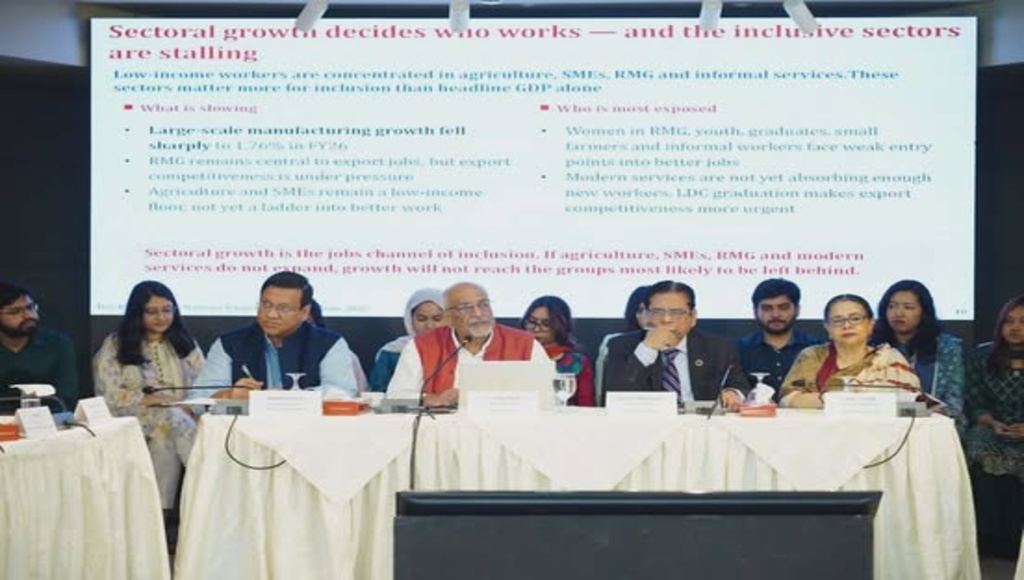
Presenting a keynote analysis titled “National Budget 2026-27: What is There for the Disadvantaged Citizens?” at a media briefing in the capital on Monday, the platform’s convener and distinguished economist, Dr Debapriya Bhattacharya, said the budget signals a shift towards greater social welfare spending, but warned that long-standing implementation weaknesses could limit its impact.
He noted that while the government has increased allocations for education, health, social protection and welfare programmes, low-income households continue to struggle with persistent inflation, limited employment opportunities and declining savings.
Dr Bhattacharya said social protection initiatives must be implemented efficiently and targeted accurately to shield vulnerable groups from mounting economic pressures. He welcomed higher budgetary allocations for social protection, as well as ongoing efforts to expand digital payment systems, improve beneficiary identification through a Dynamic Social Registry and strengthen grievance redress mechanisms.
However, he cautioned that institutional capacity and monitoring systems need significant improvement to ensure that benefits reach intended recipients and are not lost through inefficiencies.
The analysis also highlighted gaps in support for informal-sector workers and vulnerable urban populations, despite the government's stated commitment to building a welfare-oriented state. Addressing these shortcomings would require stronger coordination among public institutions and greater reliance on evidence-based policymaking, he said.
The platform further expressed concern over the budget’s continued dependence on indirect taxes, particularly Value Added Tax (VAT), arguing that revenue mobilisation efforts should be balanced with measures to protect low-income consumers from rising living costs.
To improve budget implementation, Dr Bhattacharya recommended the use of credible real-time data, quarterly parliamentary reviews of budget execution and continuous monitoring of reform initiatives. He also called for greater transparency in public expenditure management and stronger accountability mechanisms to assess whether public spending is delivering meaningful outcomes for disadvantaged citizens.
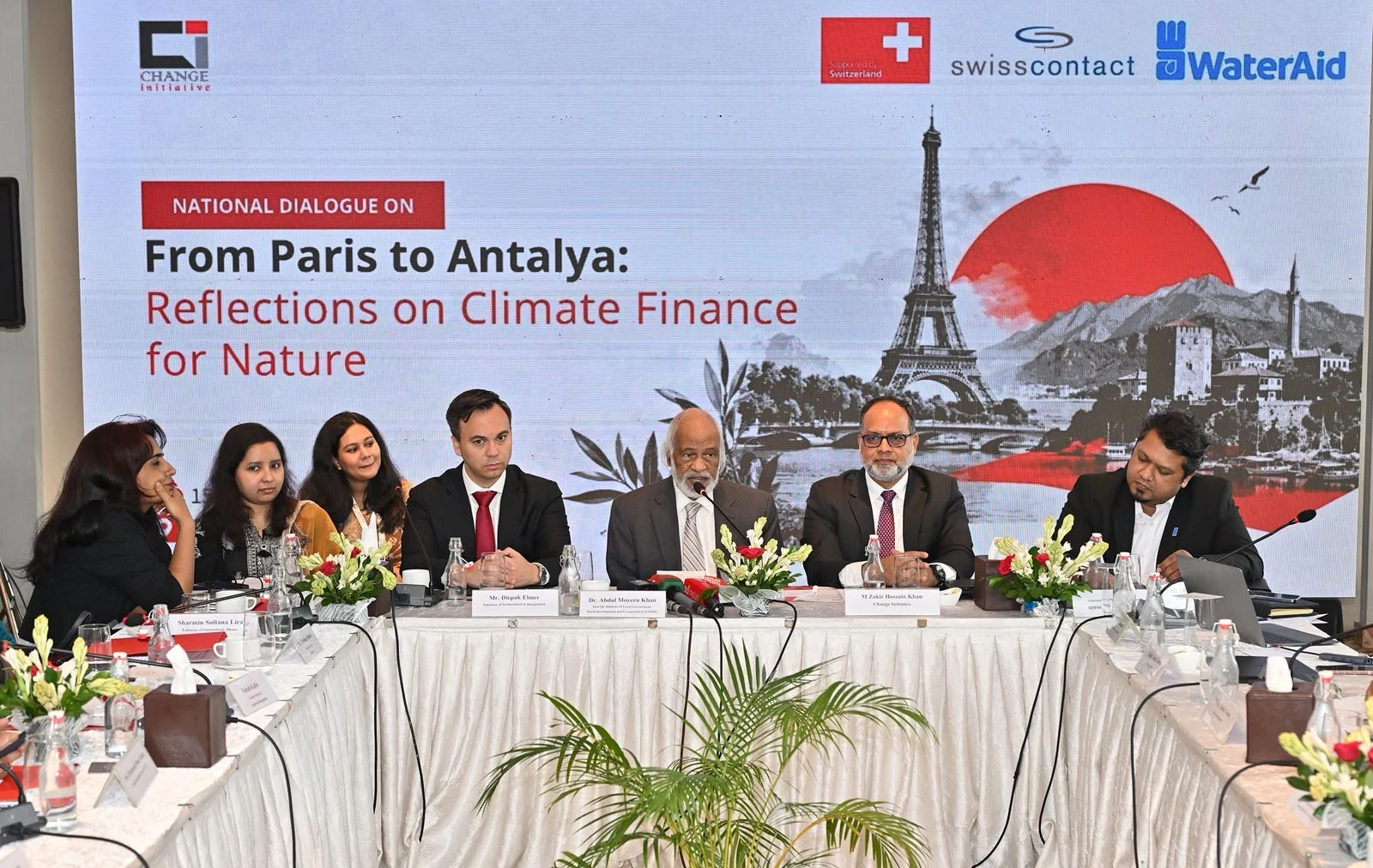
The briefing, chaired by Professor Mustafizur Rahman, Distinguished Fellow at the Centre for Policy Dialogue (CPD), brought together economists, researchers, development practitioners, governance experts and representatives from civil society.
Participants observed that the effectiveness of the FY2026-27 budget would be determined not only by the size of allocations but also by the government's ability to implement programmes efficiently, minimise leakages and ensure equitable access to public services.
The Citizen’s Platform concluded that sustained oversight and monitoring will be essential to keeping disadvantaged citizens at the centre of fiscal policy and advancing inclusive and equitable development across Bangladesh.