

Description: The future of sports is bright in Bangladesh. Discover who is going to become a new icon, and how the WIN BET platform becomes a new standard for entertainment.
Bangladesh is the kind of country where the history of sports is so rich that it has become a core part of the local culture. Considering the extreme numbers of the population of over 170 million people, with the majority of them being young, this is a place where sports organizations are looking for their next stars. On the contrary, it serves as a powerful catalyst for social cohesion, national pride, and cultural identity. Historically, Bangladesh's sporting landscape has been associated primarily with one sport, but the realities of the 21st century dictate new conditions that require diversification, innovation, and strategic planning.
The future of sport in Bangladesh depends on many factors: from the ability of the government and private sector to invest in infrastructure to the willingness of society to overcome traditional barriers and stereotypes. It is worth taking a detailed and comprehensive look at the talent emerging from this amazing country, the systemic and local challenges they face on their way to the top of the sporting Olympus, and the tremendous opportunities opening up for Bangladeshi sport in the coming decades.
It is impossible to discuss sports in Bangladesh without mentioning cricket. It's more than just a game; for millions of Bangladeshis, cricket has become a second religion. The success of the national team, affectionately known as «The Tigers», can bring the country to a standstill: the streets empty, and millions of eyes are glued to their television screens. Since gaining Test nation status in 2000, Bangladesh has come a long way, transforming itself from an underdog into a formidable contender, capable of beating any team in the world on its home turf. Names like Shakib Al Hasan, Tamim Iqbal, and Mashrafe Mortaza are etched in the history of not only Bangladeshi but also global cricket.
The popularity of Cricket is good on one hand, but it has its downsides as well. A significant portion of government funding, sponsorship contracts, and media attention goes exclusively to this sport. This creates a «scorched earth» effect for other sports, which are forced to survive amid chronic underfunding and a lack of public interest. For Bangladesh to become a truly great sporting power, it needs to diversify its sports portfolio, focusing on other disciplines where Bangladeshis represent natural talent and hidden potential.
Despite a high demand for cricket, the country’s selection of sports always changes. You can see athletes from different disciplines confidently asserting themselves on the regional and even international stage. This diversity requires close attention, comprehensive analysis, and systematic support from relevant ministries. It is worth highlighting emerging sports that hold the greatest potential in Bangladesh today:
These kinds of sports have their own set of features that make them unique. They all had their own history of development in the region, and because of that, they required an individualized approach to training and management. Success in these areas clearly demonstrates that, with due attention, perseverance, and competent management, Bangladeshi athletes can compete equally at the highest international level.
The main challenge facing Bangladeshi sport is the acute lack of modern infrastructure. The Bangladesh Sports Institute is a talent pool and produces excellent athletes, but a single institution is critically inadequate for a country with such a large population. In rural areas, where the majority of the population lives and a vast pool of untapped talent lies, sports facilities are either in poor condition or nonexistent.
Athletes simply have nowhere to train. The lack of high-quality fields, running tracks with special surfaces, modern gyms, and Olympic-standard swimming pools hinders the development of professional sports. Talented teenagers often abandon sports due to the lack of professional development and the need to earn a living. Without large-scale government programs to build sports complexes in every district of the country, overcoming this barrier will be impossible.

Commercialization is a natural way of evolution for any kind of sport, when it goes from amateur to professional level. You can see that in Bangladesh, where the process is well underway, though somewhat unevenly. Private investors are now in full play when it comes to the support of teams and tournaments. Corporations are building significant budgets in support of sports competitions. For them, it is a way to reach the new audience, consisting of millions of people
The social media revolution has changed the way the sports industry works, because they started to embrace TikTok, Instagram, and Facebook. Commercialization opens the door to local franchise leagues, such as the Bangladesh Premier League in cricket, which attract foreign players and raise the overall level of competition.
Many media companies invest their money in sports to get exclusive rights for broadcasts. Websites like WIN BET Bangladesh actively work with sports audiences by sponsoring broadcasts and sports media, which makes leagues more appealing in the eyes of mass online users and results in bigger marketing budgets.
It might look difficult to understand how the industry works, where growth opportunities lie, but in reality, there is nothing hard about it, if you examine the current situation across specific sports.
| Sport | Popularity Level | Funding Level | Main Systemic Challenge | Potential on the World Stage |
| Cricket | Number one in charts | State and private | High dependence on the form of top players | High (regular participation in the World Cup) |
| Soccer | High | Medium | Weak local league, lack of pitches | Medium (focus on South Asia) |
| Archery | Growing | Low / Targeted | Lack of mass participation and schools | Very high (individual) |
| Esports | Fast-growing | Mostly private | Lack of recognition at the state level | High (young population, IT base) |
Success on the international stage does not always directly correlate with huge budgets. Targeted investments in talented athletes and individual sports can bring a country medals faster than attempts to revive team sports, which require colossal infrastructure investments and decades to establish a competitive league.
While there are logistical issues that should be resolved from time to time, Bangladesh often faces deep-rooted sociocultural barriers as well. Some people still view the career of a professional athlete as non-prestigious or secure, which results in not all talented people risking their full efforts to become players. Parents prefer their children to pursue a classical education that guarantees a stable income, while sport is viewed as a mere hobby.
This is a big problem for girls, who always wanted to become sports legends, but due to not only financial concerns, but also social aspects, religious prejudice, and a lack of basic support, it was an almost impossible task. It all started to change in recent years.
The triumph of the women's national football team demonstrated that Bangladeshi women are capable of breaking stereotypes and achieving incredible heights. Their victories inspired thousands of young girls across the country to take to the field and believe in themselves.
It can be said that Bangladesh is at the most important stage of its sporting history. The country’s economic growth creates an opportunity for increased spending on sports by both the government and the population. To translate current opportunities into tangible achievements on the global stage and Olympic gold medals, the country requires a systemic approach. Sports management experts and analysts highlight several critical steps that must be taken in the next decade. It is possible to name a couple of strategic initiatives for a proper transformation of the sports industry:
Implementing these large-scale initiatives will not happen overnight; it will require painstaking, coordinated, and transparent work by the government, major corporate investors, the media, and society itself. This thorny, yet ultimately successful, path is the only one that can lead Bangladesh to the status of a true sports power in South Asia, whose athletes will regularly stand on the podium.
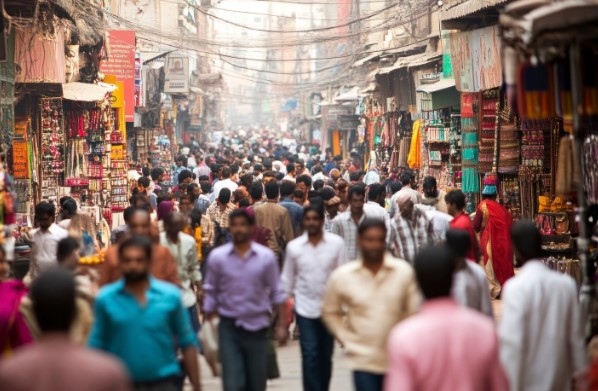
It is important to remember that elite sport is only the tip of the pyramid. The foundation of this pyramid is mass sport and national health. One of the underlying issues that hinders Bangladeshi athletes from competing at the physical level (especially in contact sports and track and field) is childhood nutrition and genetic physical characteristics conditioned by their historical context.
However, as the country's economic situation improves, diets improve, and awareness of healthy lifestyles increases, the anthropometric characteristics of new generations of Bangladeshis are gradually changing. Government programs aimed at combating malnutrition and promoting physical activity among schoolchildren will play a decisive role in shaping a stronger, more resilient, and healthier generation that will produce future Olympic champions.