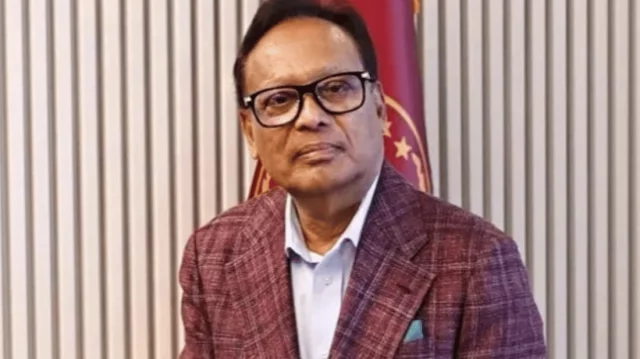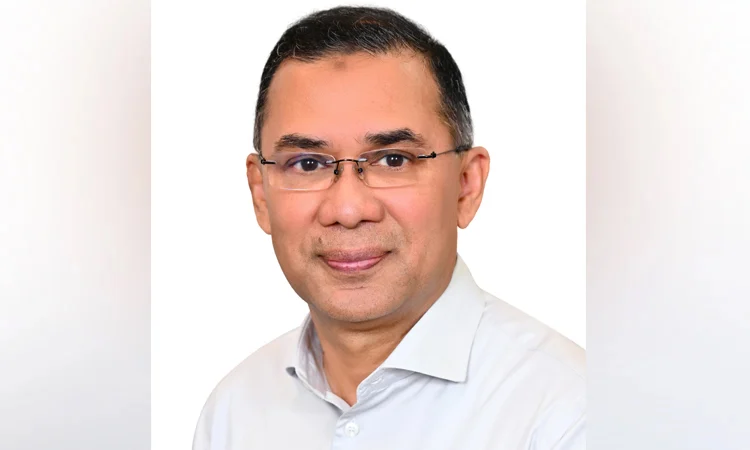


Staff Correspondent: Warning against excessive dependence on Artificial Intelligence (AI), Md Shafiqul Alam FCA, FCMA, FCS said that AI should serve as a supporting force for human intellect and professional capability rather than replacing human judgment, ethics, and intellectual capacity.
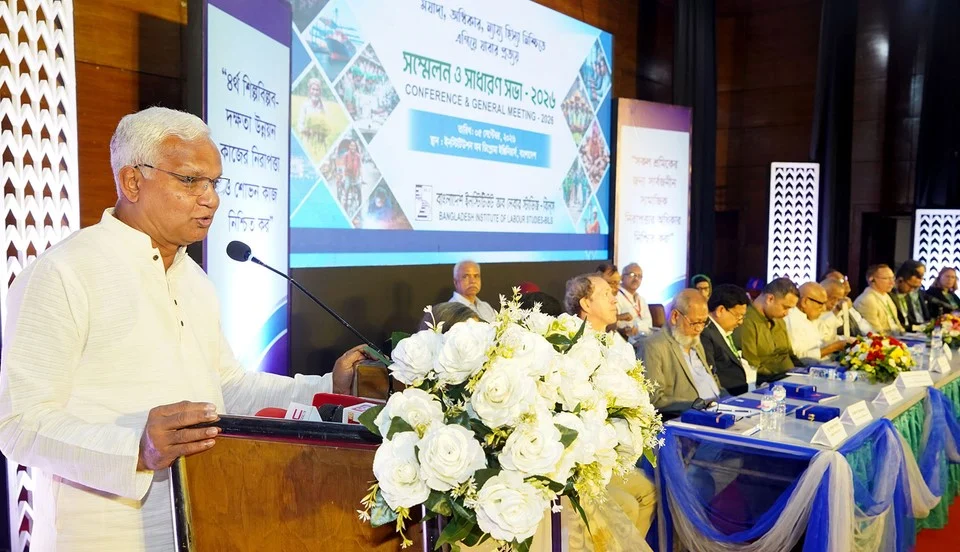
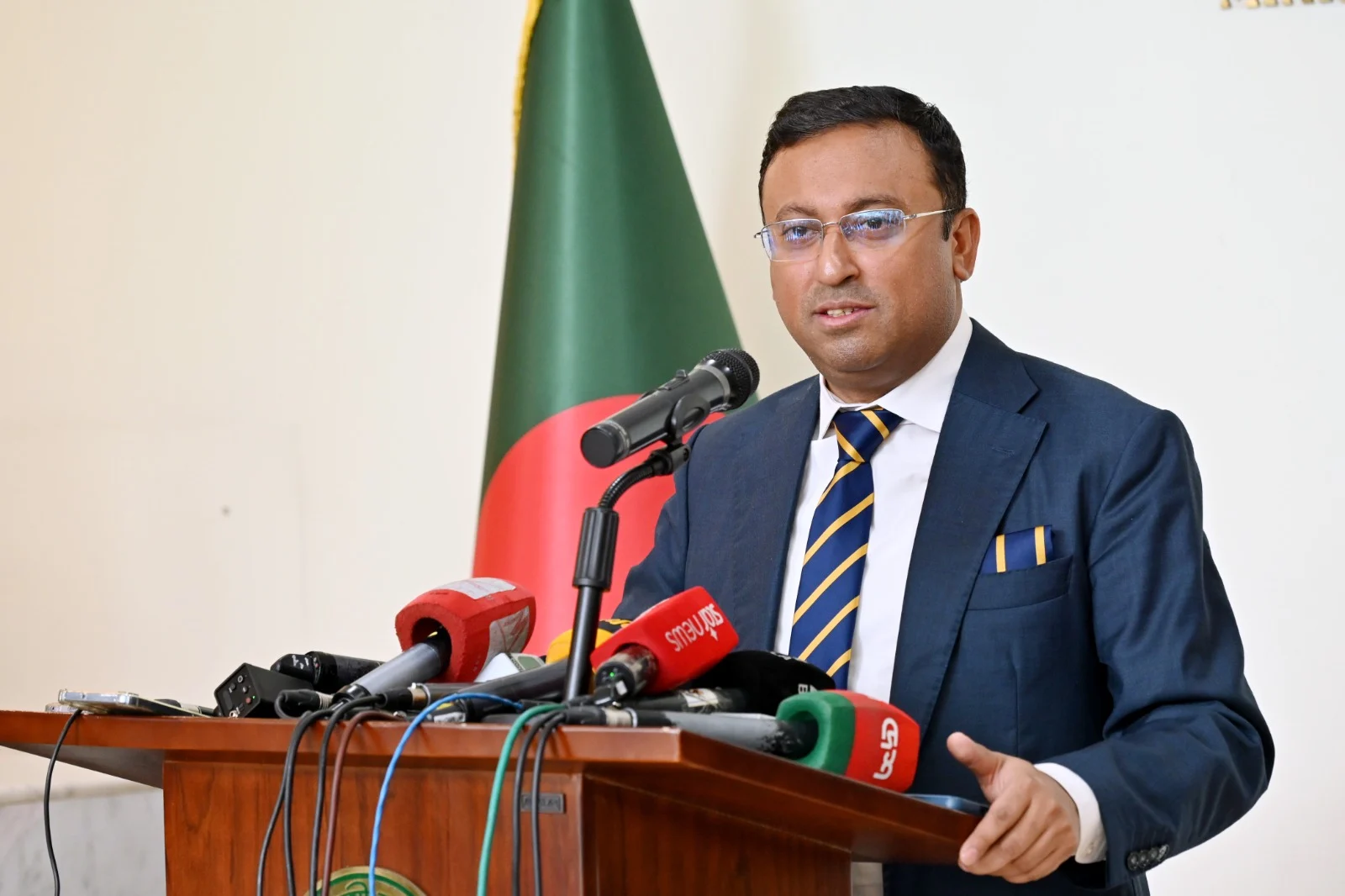
“AI should become a mirror of human intelligence, not a substitute for human wisdom,” he remarked while speaking at a workshop titled “AI for Professionals: Future Prospects and Challenges” held at the Prof Dr Abdullah Faruk Multipurpose Hall of the University of Dhaka on Friday (May 8, 2026).
The workshop was jointly organized by Bizz Solutions PLC and Chartered Technical Training Institute (CTTI).
The keynote address was delivered by Md Shafiqul Alam, a distinguished Fellow Chartered Accountant, Fellow Cost and Management Accountant, and Fellow Chartered Secretary.
The day-long programme brought together students, professionals, entrepreneurs, academicians, and corporate representatives to discuss the growing impact of AI on business, education, finance, governance, and future employment.
Speaking at the event, Shafiqul Alam said AI is already playing a transformative role globally in automation, predictive analysis, fraud detection, customer service enhancement, and data-driven decision-making. He noted that the ethical and responsible use of AI can significantly improve productivity, efficiency, innovation, and corporate governance.
He further said that for accounts and finance professionals, AI can function as an effective supporting tool in financial reporting, regulatory compliance, fiscal laws, company law compliance, and international business practices. According to him, wider adoption of AI can help organizations become more compliant while improving risk management, cost optimization, and operational transparency.
He also observed that adherence to global reporting standards would make it easier for local companies to attract foreign investment, mobilize international funds, and establish foreign joint ventures, ultimately strengthening the national economy and generating employment opportunities.
However, he expressed concern over the growing tendency among younger generations to rely on AI-based simplified learning approaches, warning that excessive dependence on AI-generated outputs could weaken creativity, analytical ability, and fundamental knowledge development.
Shafiqul Alam stressed that future professionals will require more than traditional accounting knowledge such as International Accounting Standards (IAS) and International Financial Reporting Standards (IFRS). He said technological expertise, functional IT knowledge, AI learning, and soft skills would become increasingly essential in the evolving professional landscape.
The workshop also highlighted potential risks associated with AI, including cybersecurity threats, misinformation, algorithmic bias, deepfake technology, and the possible impact of automation on employment.
Another speaker, Md Kamrul Hasan, discussed the practical applications of AI in modern workplaces and future career opportunities emerging from AI-driven industries. He encouraged participants to continuously upgrade their technological capabilities and adaptability to remain competitive in the changing job market.
The programme concluded with an interactive discussion on balancing technology with human values, ensuring the ethical use of AI, and promoting continuous learning in the digital era.