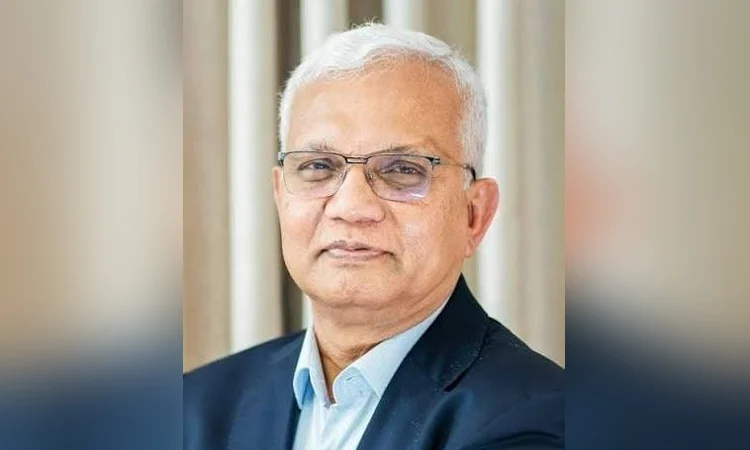
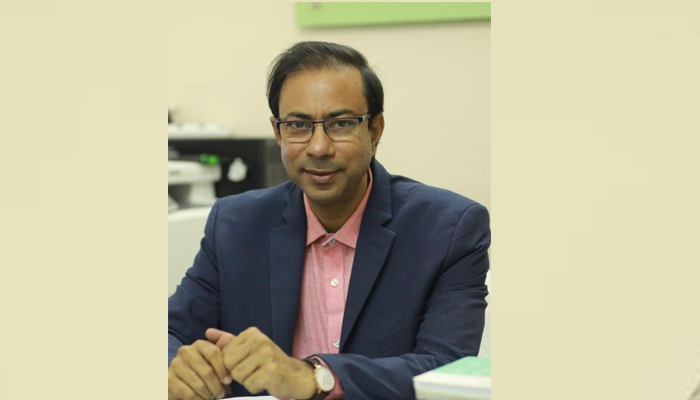

Iqbal Masud: Bangladesh’s health sector has long faced numerous challenges, including limited investment relative to population needs, shortages of skilled health professionals, weak infrastructure, limited medicine supply, and high out-of-pocket healthcare expenditures. In this context, the proposed allocation of BDT 69,309 crore for the health sector in the national budget for FY 2026–27 represents a landmark step forward. In the previous fiscal year, the allocation stood at approximately BDT 34,719 crore. This means that the health budget has nearly doubled within a year, and for the first time in the country’s history, health expenditure has exceeded 1 percent of GDP, reaching 1.1 percent.
This is not merely a budget increase; it reflects the government’s commitment and political will to ensure healthcare for all citizens. However, while increasing allocations is important, ensuring the effective, transparent, and people-centered utilization of these resources is even more critical.
Under the vision of “Health for All,” the government has earmarked BDT 27,600 crore specifically for advancing Universal Health Coverage (UHC), making it one of the most significant initiatives in the country’s health sector history.
According to the government’s plan, a primary healthcare unit based on the General Practitioner (GP) model will be established in every union and one or more units in each urban ward. These facilities are expected to provide maternal and child healthcare, treatment for common illnesses, mental health services, services for women, older persons, and persons with disabilities, as well as essential medicines. Trained health workers will be recruited to support service delivery. At the same time, Upazila Health Complexes are expected to be strengthened through 24-hour ambulance services, digital referral systems, and improved access to specialist consultations.
Another significant initiative is the introduction of an e-Health Card as part of the country’s digital health transformation agenda. This system will allow patients’ medical histories, diagnostic records, and medication information to be accessed from any hospital or clinic across the country. Such a system can improve continuity and quality of care while reducing unnecessary tests and healthcare expenditures.
The government has also announced plans to recruit nearly 100,000 healthcare workers, of whom approximately 80 percent are expected to be women. This initiative has the potential not only to strengthen healthcare services but also to contribute significantly to women’s employment and economic empowerment.
The increased health allocation is undoubtedly commendable. However, people’s expectations extend beyond budget announcements. Citizens want to see doctors available at public hospitals, essential medicines in stock, reduced waiting times for diagnostic services, and lower out-of-pocket expenses for treatment.
At present, many patients are forced to purchase medicines from private pharmacies due to shortages in public facilities. In many hospitals, sophisticated medical equipment remains underutilized because of inadequate human resources and poor maintenance. Therefore, people expect the benefits of this increased allocation to be reflected directly in improved service quality.
Rural populations, in particular, hope that strengthened healthcare services at union and upazila levels will reduce the need to travel to major cities for treatment and ensure access to quality healthcare closer to home.
The major challenge, however, lies in implementation and governance. Historically, one of the biggest weaknesses of Bangladesh’s health sector has not been the lack of resources but rather shortcomings in effective implementation and accountability.
Past experiences show that allocated funds are often not fully utilized. Delays in project implementation, procurement complexities, weak coordination, and, in some cases, corruption and inefficiencies prevent citizens from receiving the expected benefits.
To ensure successful implementation of the new budget, several priorities deserve particular attention:
Healthcare improvement cannot be achieved solely through constructing buildings. Skilled human resources and effective management are equally important.
Strengthening Primary Healthcare is the Foundation of Health Security. Out-of-pocket healthcare expenditure remains significantly high in Bangladesh. Many families face financial hardship due to healthcare costs.
The most effective solution is to build a strong primary healthcare system. Community Clinics, Union Health and Family Welfare Centers, Upazila Health Complexes, and District Hospitals should function as an integrated and coordinated network. The effectiveness of Community Clinics, in particular, requires reassessment, and local-level healthcare services need comprehensive reform. Strong primary healthcare can ensure early diagnosis and treatment, preventing disease complications and reducing the need for costly specialized care.
A coordinated referral system centered on primary healthcare is essential for achieving Universal Health Coverage.
Non-Communicable Diseases, Tobacco Control, and Safe Food. Non-communicable diseases (NCDs) such as cardiovascular diseases, stroke, diabetes, cancer, and kidney disease are now among the leading causes of death in Bangladesh. Therefore, a significant portion of health investments should focus not only on treatment but also on prevention.
Tobacco control remains a critical priority. Tobacco use causes substantial illness and imposes a significant economic burden on the healthcare system every year. Stronger taxation, effective enforcement of tobacco control laws, and protection of public health policies from tobacco industry influence are necessary to accelerate progress.
At the same time, ensuring safe and nutritious food is crucial. The introduction of effective front-of-pack warning labels on packaged foods high in salt, sugar, and trans fats could support healthier consumer choices. Stronger regulation of unhealthy food marketing directed at children and adolescents is also needed.
Mental health remains an under-prioritized area within Bangladesh’s healthcare system. Anxiety, depression, suicide, and substance use disorders are becoming increasingly prevalent.
As the new health budget is implemented, mental health must be integrated into mainstream healthcare services. Expanding mental health services at district and upazila levels, increasing the number of trained professionals, implementing awareness programs in schools and workplaces, and developing community-based support systems should be key priorities. Greater investment is also required for the prevention, treatment, and rehabilitation of people affected by substance use disorders.
The Need for Public-Private Collaboration
A substantial portion of healthcare services in Bangladesh is currently delivered through the private sector. Therefore, effective collaboration between public and private stakeholders is essential for improving health outcomes.
Public-Private Partnership (PPP) models can help expand telemedicine, diagnostic services, cancer care, emergency medical services, and specialized healthcare. However, ensuring quality standards, transparency, and accountability will be critical to maximizing the benefits of such partnerships.
Conclusion
The FY 2026–27 health budget presents a historic opportunity for Bangladesh’s healthcare system. Increased funding, investments in Universal Health Coverage, the introduction of e-Health Cards, recruitment of healthcare workers, improved access to medicines and vaccines, and efforts to strengthen primary healthcare have the potential to transform the sector.
However, realizing this potential will require equitable resource allocation, efficient implementation, strong governance, enhanced primary healthcare, prevention of non-communicable diseases, robust tobacco control measures, safe food policies, expanded mental health services, and effective public-private collaboration.
Health should not be viewed merely as a sector of expenditure but as a strategic investment in human capital and national development. If implemented effectively, this budget can lay the foundation for a healthier, more resilient, and more equitable Bangladesh.
Iqbal Masud
Public Health Advocate and Development Professional