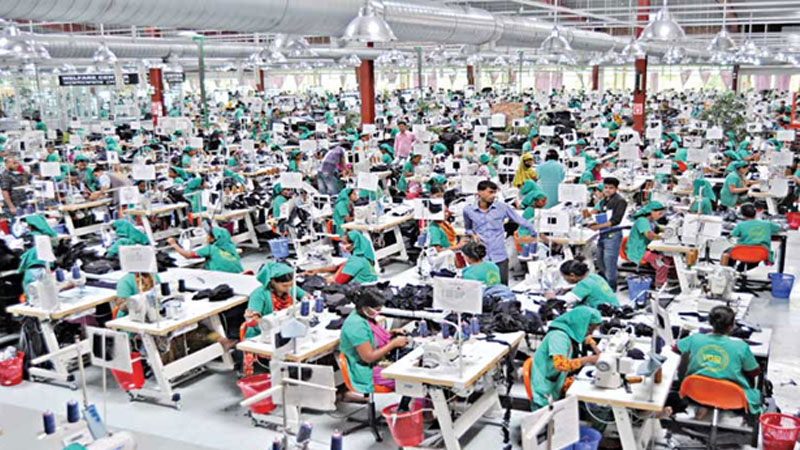

The workers' side has proposed setting the minimum monthly wage for readymade garment (RMG) workers at Taka 32,000, while recommending Taka 30,000 for newly recruited or trainee workers.
The proposal was placed at the second meeting of the Minimum Wage Board held today at its office in Segunbagicha in the capital.
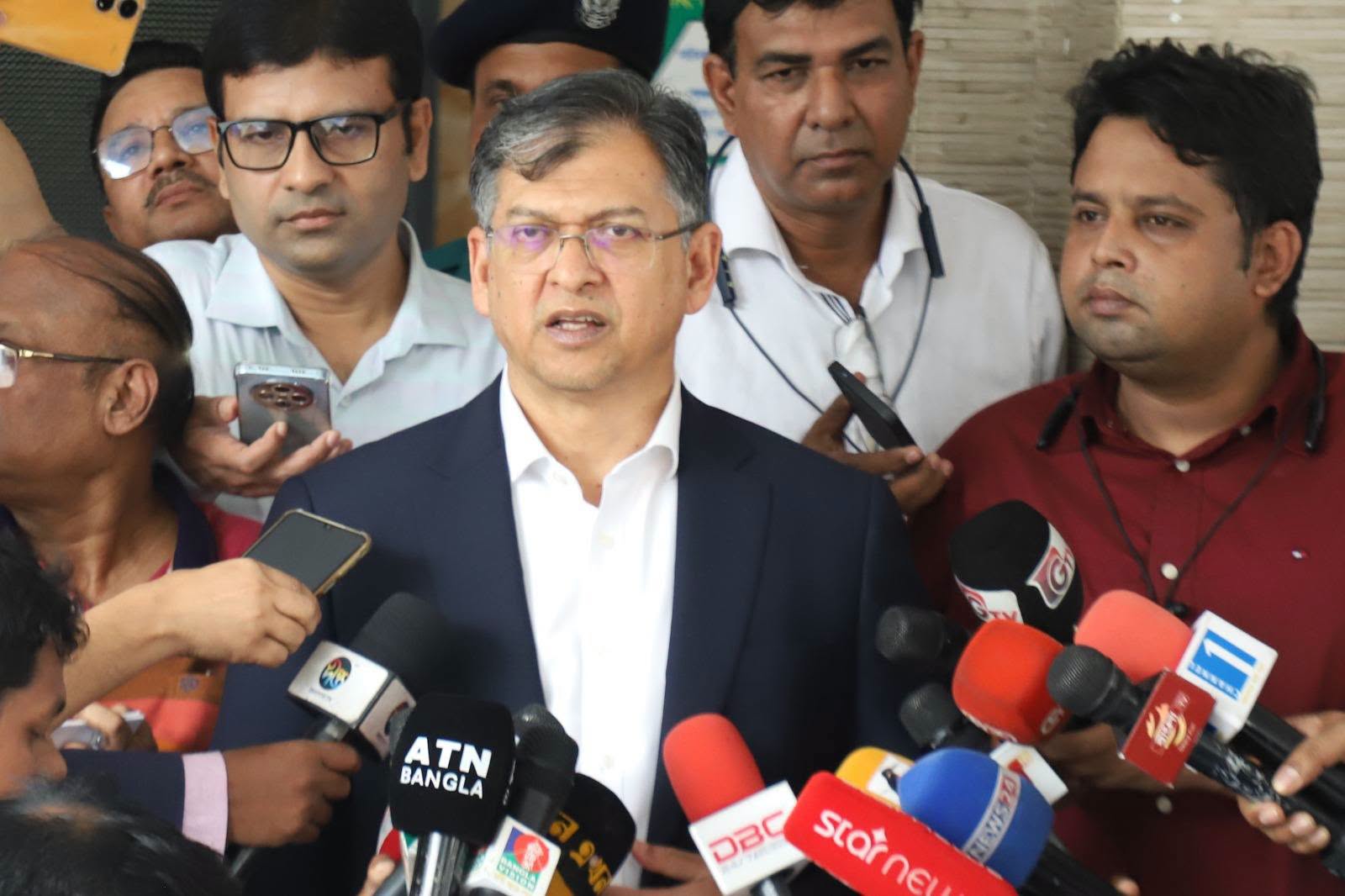
The information was disclosed at a joint briefing with journalists after the three-hour meeting.
The meeting was chaired by Minimum Wage Board Chairman Syed Azad Subhani.
Other participants included the board's independent member and Dhaka University Professor Mosleh Uddin Ahmed; employers' representative and Bangladesh Garment Manufacturers and Exporters Association (BGMEA) Director A B M Shamsuddin; workers' representative and Bangladesh Garments and Industrial Workers Federation (BGIWF) General Secretary Babul Akhter; permanent workers' representative and Bangladesh Jatiyatabadi Sramik Dal President Anwar Hossain; and permanent employers' representative and Bangladesh Employers Federation Joint Secretary General Asif Ayub.
Speaking about the employers' proposal, A B M Shamsuddin said factory owners were currently giving greater attention to keeping their factories operational amid recent unrest in industrial areas surrounding Dhaka.
As a result, they needed more time to prepare their wage proposal.
Although the employers' side had sought seven working days, the board members agreed to grant them four working days to submit their proposal.
Board Chairman Syed Azad Subhani said the employers had been instructed to submit their proposal within four working days. He added that the board would proceed with its decision-making process even if the employers failed to submit their proposal at the next meeting, and would not wait indefinitely
for their recommendations.
The chairman said two important decisions were taken unanimously at the meeting.
Under the first decision, board members will visit garment factories of different categories in major labour-intensive industrial areas within this week to directly assess workers' living conditions and expectations.
The second decision assigned the task of reviewing international indicators relevant to wage determination to the board's independent member, Professor Mosleh Uddin Ahmed.
If necessary, he may seek opinions from the Institute of Business Administration (IBA) of Dhaka University as well as renowned economists and experts in the country.
At the briefing, the chairman and representatives of both employers and workers said the board aimed to complete the process of determining the new wage structure by December.
They expressed hope that the new wage structure could come into effect from December, enabling workers to receive their increased wages in the first week of January.