
By Sheikh Sadat Shaleheen, Tasnim Rahman Ridita, Masuinu Marma, Robiul Hasan Siyam, Farjana Jaman Sumi, Nihal Ahnaf, and Subarno Raquib
Based on field surveys and faculty interviews conducted at Dhaka University
Water bottles hang from their hands. That is how you find Miraj and Shobhuj most mornings, moving through the crowd beneath the wide stairs of the Social Science building at Dhaka University. Quiet in the middle of all that noise. Their father is dead. Their mother left and never came back. A woman they call Khala took the four siblings in and now controls most of what happens to them. They live not far from Ramna Kali Mandir in a cramped neighborhood where kids figure out early that no one is coming to protect them. The Khala and her children sleep in beds. Miraj, Shobhuj, and their little brother sleep on the floor. Even on the cold nights of December. For over a year and a half the boys have sold water and flowers around the university. Every evening the money they earn goes straight to the Khala. She says she spends a hundred taka per child on food. That is the arrangement. That is all there is.
There was an older brother. He had an accident while working for the Khala and was never quite the same after that. He started saying he wanted to see the hills. One day he walked away and did not come back. The brothers still talk about him in the way people talk about wounds that have not closed. By late morning Miraj and Shobhuj are usually near the university gates. Students pass them, some stopping to buy a bottle, most not noticing them at all. When they are tired they sit on the library steps and share a packet of biscuits. They talk about their mother sometimes. They believe she will return. Until then they say they will take care of her when she does.
Across Dhaka city there are countless children living like this. Long hours under informal arrangements that trade food for labor. No legal protection, no school, no stable home. Many face abuse that goes unaddressed despite organizations working on their behalf. Miraj and Shobhuj are two of them. But in the way they look out for each other and hold onto that one quiet hope, there is something that the city has not managed to take from them yet. To understand why child labor persists on campus and how academic and administrative actions could drive change, the views of different field experts are quite similar and connect the issue to a broader perspective. Many scholars think the university bears direct responsibility here.
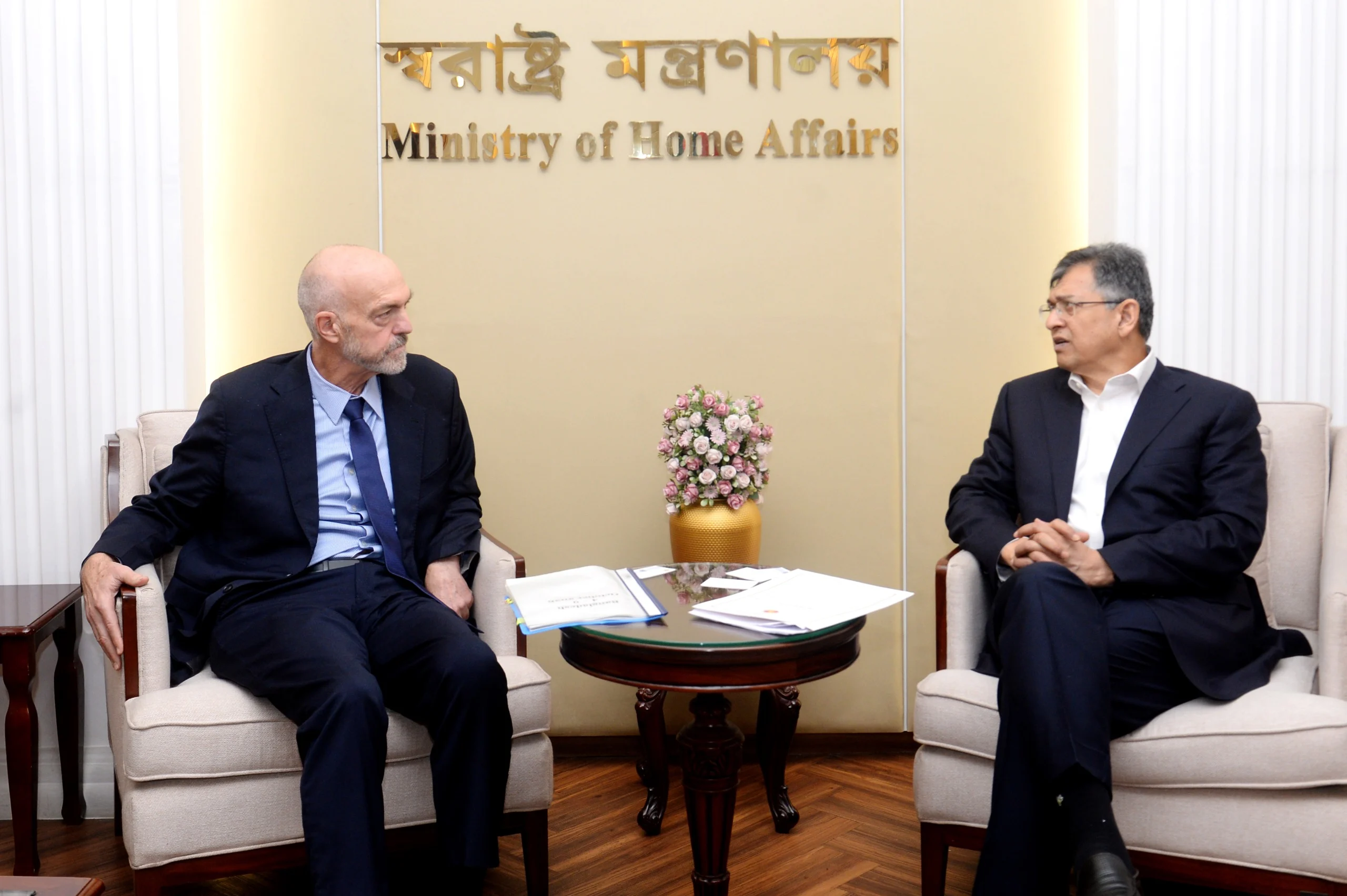
A faculty member from the Department of Population Science at Dhaka University put it plainly: managing children on campus is not the university's direct job. That falls to the Proctor's Office, hall administrations, and provosts. The university can take a policy stance, but primary responsibility rests with the Ministry of Social Welfare.He pointed out that the university does run programs for children of its staff, like Udayon School and IER initiatives. But children like Miraj and Shobhuj are not staff dependents. They belong to a different category entirely, one the university has no ready framework for. On why these children end up working at all, his answer was economic. If a child stays in school, the family loses income. Most of these children come from slum areas under extreme poverty. Many face physical and mental abuse. The psychological fallout is real. Depression, anxiety, and stunted development follow them. "Child labor is primarily a state responsibility," he said. What is missing is political will. Education and health budgets in Bangladesh remain among the lowest. Safety nets for vulnerable families do not exist at the scale the problem demands.
At the campus level, he called for serious research at the departmental and faculty level on child labor and child marriage. Hall authorities should ensure no child is found working inside canteens or service points. The Proctor's Office and relevant ministries need to step up monitoring.
He also raised a harder question: "Child labor is not permitted under any circumstance. So why should children be found on campus at all?"
A faculty member from the Department of Development Studies traced the problem back to one thing: parental financial instability. When families cannot secure basic needs, children bear the cost. Many end up working on the streets, living under constant stress.
He framed this as a structural failure. Inequality, poverty, and unemployment push children out of childhood. The solution, in his view, starts with economic empowerment of vulnerable families. The university, he said, is not the right institution to lead on this. Its mandate is education and research. The government must step up through better governance, social protection programmes, and enforcement of existing laws. NGOs, volunteers, and students also have a role, particularly when working within proper legal frameworks.
He reserved a specific point for development studies students. Their discipline equips them to engage with exactly these issues. Contributing to child labour policy is not just possible for them. It is part of what the field demands.
However, Miraj and Shobhuj will be back under those stairs tomorrow morning. And the morning after that. Expert opinions and policy frameworks exist in abundance. What is missing is the will to act on them. The path is not complicated. Free education, functional social safety nets, and enforcement of existing child labor laws would change the material conditions of children like them. NGOs and student organizations can fill gaps in the short term but they cannot replace state responsibility. The government knows what needs to be done. The question is whether children selling water outside a university will be reason enough to do it.