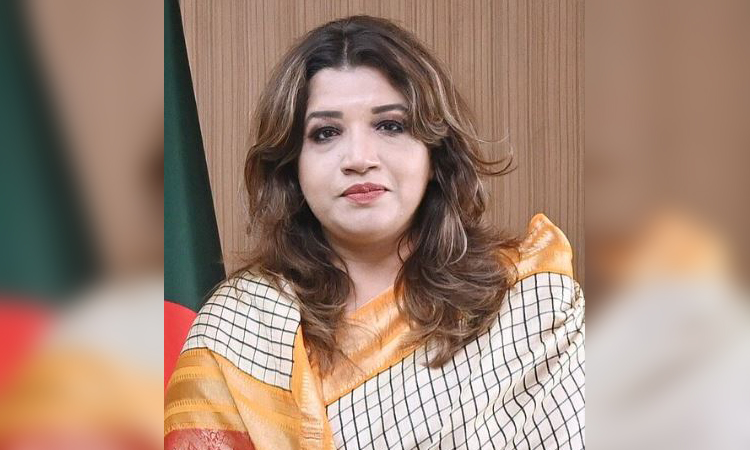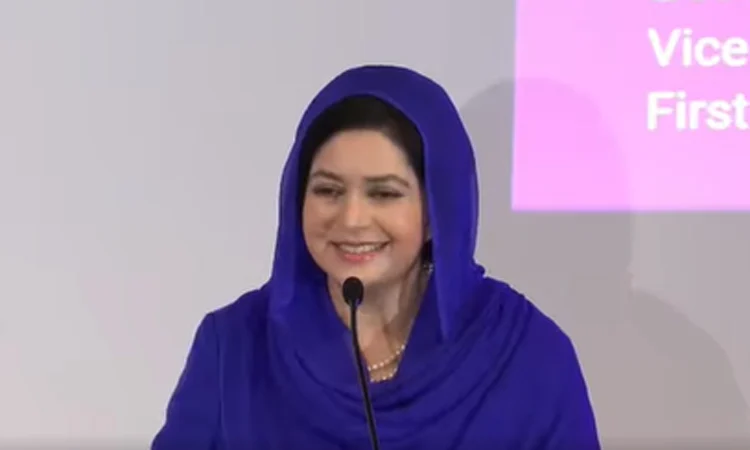


State Minister for Foreign Affairs Shama Obaed Islam today said Bangladesh must pursue a pragmatic, balanced and national interest-driven foreign policy to navigate growing geopolitical uncertainties while safeguarding its sovereignty, strategic autonomy and economic interests.
"Navigating this turbulent situation requires a foreign policy that is not only sensitive to emerging realities, but also firmly rooted in our national interests," she said.
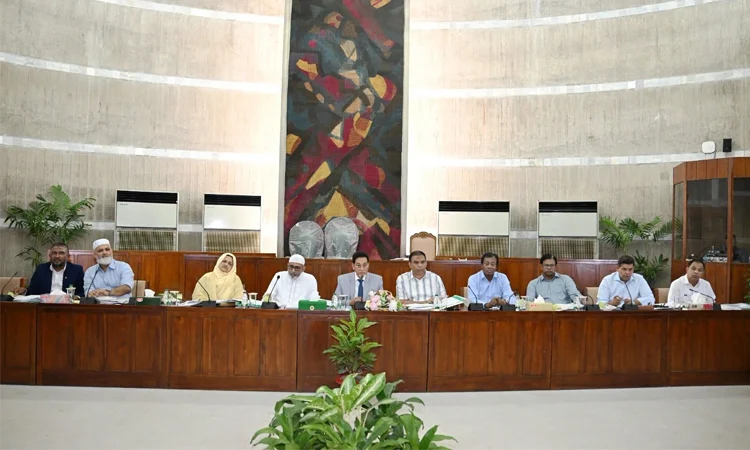
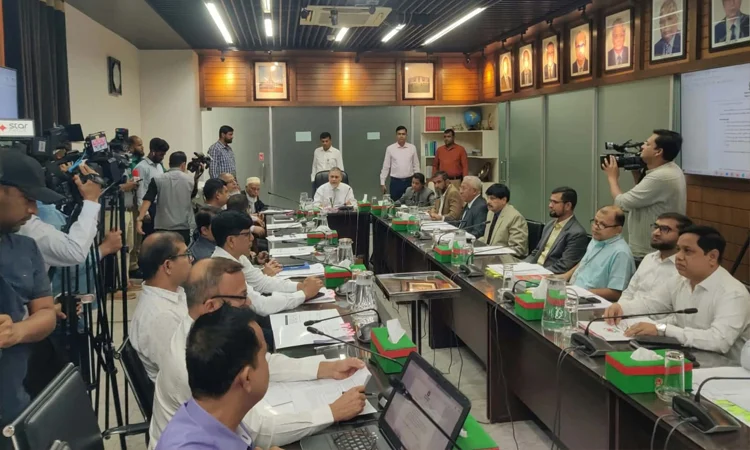
The state minister was addressing a seminar titled "Foreign Policy of Bangladesh: Navigating Pathways in a Shifting World," organised by the Bangladesh Institute of International and Strategic Studies (BIISS) at its auditorium in the capital.
Shama said intensifying strategic rivalries, shifting regional dynamics and economic uncertainties were reshaping international relations, requiring Bangladesh to respond to emerging challenges without compromising its fundamental interests.
"This is the core essence of Prime Minister Tarique Rahman's 'Bangladesh First' foreign policy," she said.
Describing the policy as both a guiding principle and strategic directive, she said it placed national interests, sovereignty, dignity and people's welfare at the centre of Bangladesh's international engagements.
"It means building partnerships without dependency, enhancing cooperation without compromising our independence, and strengthening relations based on mutual respect, sovereign equality and shared interests," she said.
The state minister said the approach reflected the foreign policy principles pursued by the Bangladesh Nationalist Party (BNP) since the leadership of Shaheed President Ziaur Rahman.
No 'either-or' approach in foreign relations
Shama made it clear that Bangladesh would not pursue a foreign policy requiring it to choose between competing countries or geopolitical blocs.
"There is no 'either-or' policy in our foreign policy. It is not that we must maintain relations exclusively with this country or that country. We want our foreign policy to engage with everyone," she said.
She described Bangladesh's diplomatic approach as pragmatic and goal-oriented, stressing that international partnerships should be assessed according to their contribution to national priorities.
Bangladesh would continue strengthening relations with traditional partners, including the United States, European Union, China, Russia and the Middle East, while exploring opportunities in Sub-Saharan Africa, Latin America, Central Asia and Eastern Europe.
She identified investment, energy, food security, infrastructure, technology, security and skilled employment as priority areas for cooperation.
Shama described strategic autonomy as the ability to independently assess international opportunities and make decisions consistent with national interests.
"We do not view diplomatic engagements as competitive choices, but rather as supportive pathways to advance Bangladesh's national interests," she said.
Economic diplomacy central to foreign policy
The state minister said economic diplomacy had become a central pillar of Bangladesh's foreign policy, with the government seeking to translate international relations into tangible economic benefits.
"Economic diplomacy is a central pillar of our foreign policy. We are firmly committed to ensuring that our diplomatic relations translate into tangible economic opportunities for our people," she said.
Shama said the government was prioritising increased exports, diversified foreign investment, access to new markets and stronger international economic partnerships.
"Diversification is the key. We are looking for various markets and products," she said.
Alongside ready-made garments, the government was working to expand exports of pharmaceuticals, ceramics, leather goods, information technology, jute and environmentally friendly jute-based products.
She said the Ministry of Foreign Affairs had organised seminars on trade, investment and emerging technologies to identify opportunities for strengthening Bangladesh's global competitiveness.
The latest discussion focused on artificial intelligence, innovation, digital governance, skills development and digital equity.
Referring to her recent visit to Silicon Valley as part of a high-level government delegation, Shama said meetings had been held with technology companies, including Google, Apple and Nvidia.
The discussions focused on artificial intelligence, sovereign AI capabilities, data centres, digital infrastructure and technological applications in education, healthcare and public services.
She also highlighted the government's "Invest Bangladesh" initiative, saying it aimed to improve transparency, reduce bureaucratic complexities, curb corruption and create a favourable environment for foreign investors and expatriate Bangladeshis.
Regional cooperation, multilateralism remain priorities
Shama said regional cooperation remained essential to Bangladesh's foreign policy, particularly in promoting peace, connectivity, economic integration and shared development.
She reiterated the government's commitment to revitalising the South Asian Association for Regional Cooperation (SAARC) as an effective platform for dialogue and cooperation.
"We believe that differences among countries should not hinder maintaining cooperation in areas of shared interest," she said.
As the current chair of BIMSTEC, Bangladesh was working to deepen practical cooperation among member countries while remaining constructively engaged with the Indian Ocean Rim Association (IORA).
She identified regional connectivity, trade, energy cooperation and maritime security as important areas for collective action.
The state minister also reaffirmed Bangladesh's commitment to multilateralism, saying international institutions remained essential for upholding sovereign equality and addressing common challenges.
She highlighted Bangladesh's recent election to the Executive Committee of the Inter-Parliamentary Union's Asia-Pacific Group as an example of its growing international engagement.
Climate justice, safe migration gain importance
The state minister identified climate justice and migration diplomacy as two other major priorities of Bangladesh's evolving foreign policy.
She said Bangladesh, despite its limited contribution to global greenhouse gas emissions, remained highly vulnerable to climate change and would continue advocating equitable climate finance, adaptation support and technology transfer.
The government would also seek greater access to the Green Climate Fund and affordable financing for climate-vulnerable countries.
"For Bangladesh, climate change is not merely an environmental concern. It is a question of development, economic security and fairness," she said.
On migration, Shama said the government was pursuing a coordinated approach to ensure safe, orderly and dignified overseas employment.
Expressing concern over exploitation by dishonest recruitment networks, she said the government was working to expand legal employment opportunities, protect expatriate workers' rights and promote skilled migration through technical and vocational education.
She said Bangladesh's diplomacy was also expanding beyond traditional government-to-government relations to include cultural exchanges, sports, creative industries and people-to-people contacts.
Foreign policy success to be measured by prosperity
Shama said Bangladesh's foreign policy must ultimately deliver measurable benefits for its people.
She said diplomatic success should be judged not merely by international engagements but by their contribution to economic prosperity and national development.
"Our government is fully committed to transforming our diplomatic engagements into fruitful national achievements, partnerships into economic prosperity, and our international presence into greater opportunities for our people," she said.
"The core centre of our foreign policy is the ordinary people of our country," she added.
Turning to the Rohingya crisis, Shama said Bangladesh remained committed to securing a permanent solution through sustained diplomatic engagement and international cooperation.
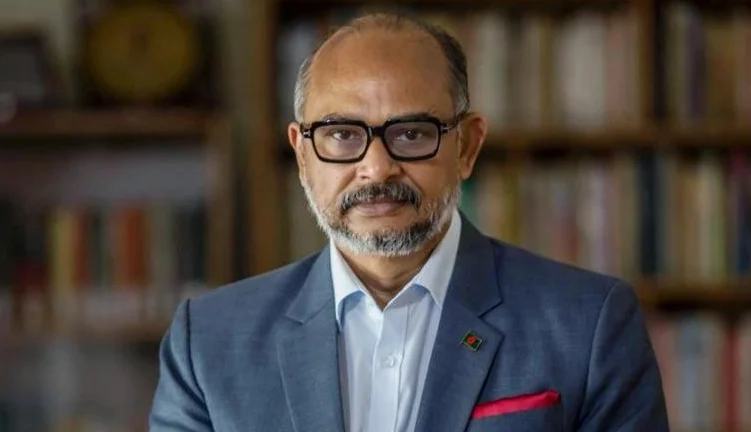
BIISS Director General Major General A S M Ridwanur Rahman delivered the welcome address and chaired the seminar.
BIISS Research Directors Dr Mahfuz Kabir and Dr Sufia Khanom, and Research Fellows ASM Tarek Hassan Semul and Ayesha Binte Towhid presented papers on different aspects of Bangladesh's foreign policy.
Senior government officials, foreign diplomats, business representatives, academics, researchers, students and representatives of various think tanks attended the seminar.