
TBT DESK
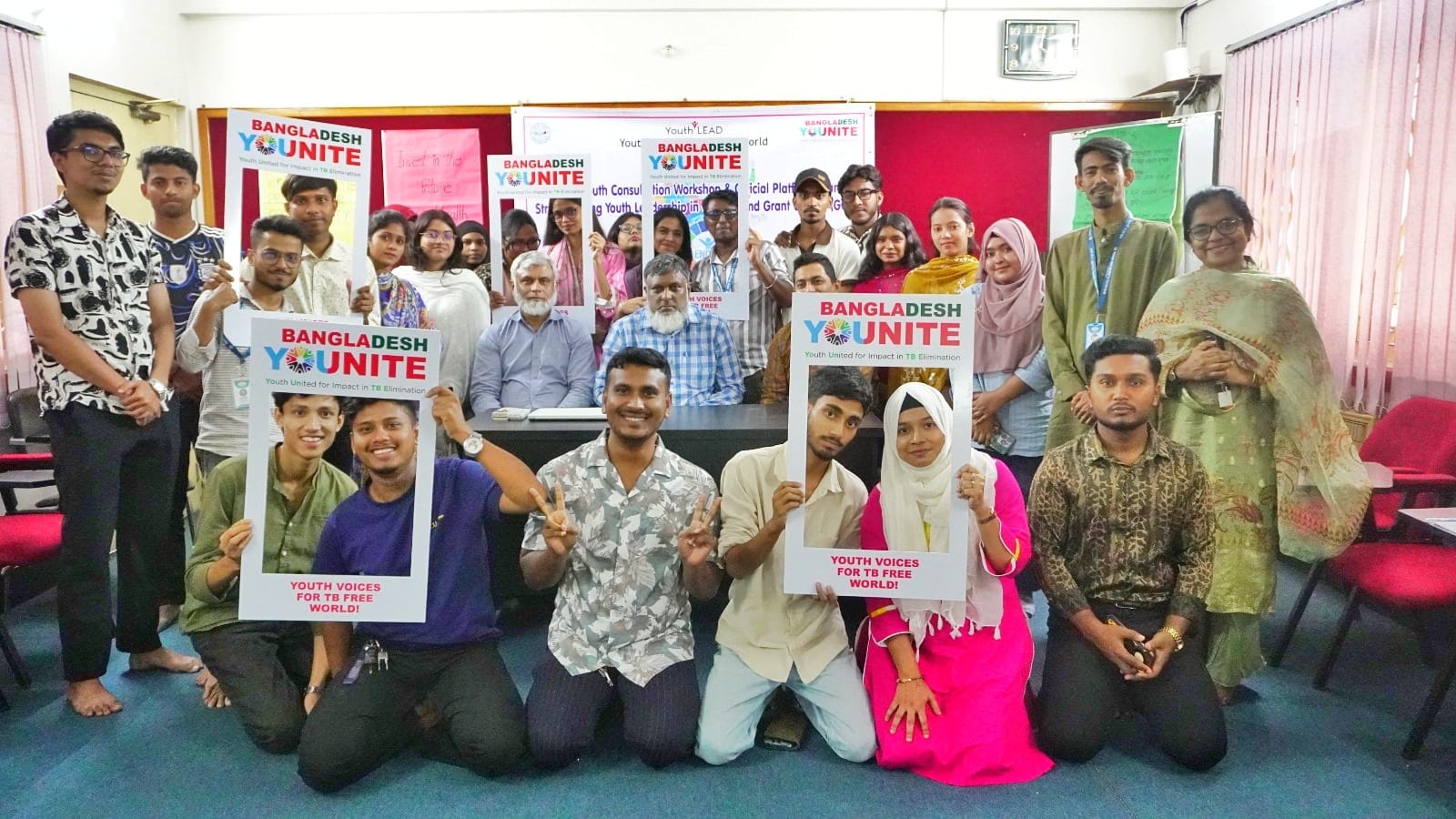
In a historic shift toward an equitable, community-driven healthcare model, the YOUNITE Bangladesh Country Chapter, structurally hosted by Nari Maitree, officially launched its platform alongside a high-level National Youth Consultation Workshop for the Global Fund’s Grant Cycle 8 (GC8). Grounded in a newly signed strategic agreement between Youth LEAD and YOUNITE Bangladesh, this milestone event establishes a workable framework under the Global Fund's Community Engagement Strategic Initiative (CE-SI). The alliance aims to put young people, peer monitors, and health champions directly at the center of the country's multi-million-dollar disease response.
The consultation arrives at a critical juncture for the nation's healthcare system. The Global Fund has allocated a substantial total envelope of USD 131,700,608 for Bangladesh to combat HIV, Tuberculosis (TB), and Malaria, while simultaneously building Resilient and Sustainable Systems for Health (RSSH). The proposed financial split underscores the massive operational scale of the upcoming grant cycle, earmarking USD 100,332,827 for Tuberculosis control, USD 18,209,968 for HIV/AIDS programs, and USD 13,157,813 for Malaria interventions. Despite young people aged 15–29 making up over 33% of the national population, their voices have historically faced structural barriers within high-level drafting spaces. This newly formed civil society partnership directly addresses that gap, utilizing the CE-SI grant to ensure youth-led data and 15 newly identified priority interventions are meaningfully woven into this USD 131.7 million allocation.
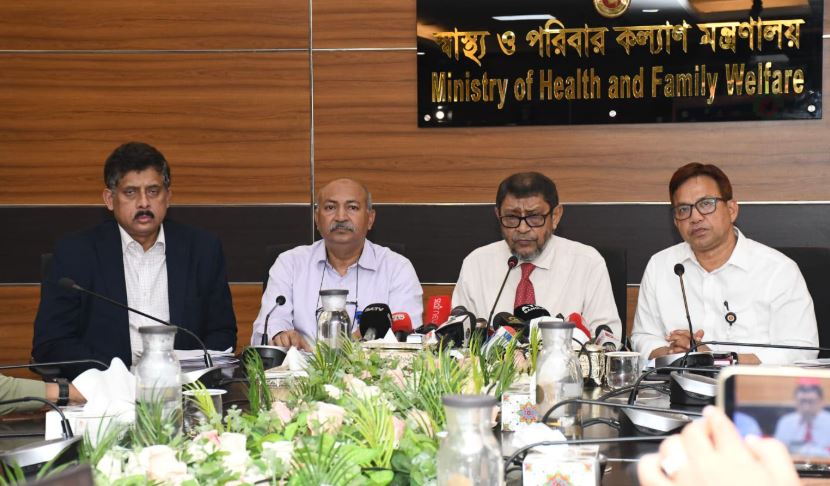
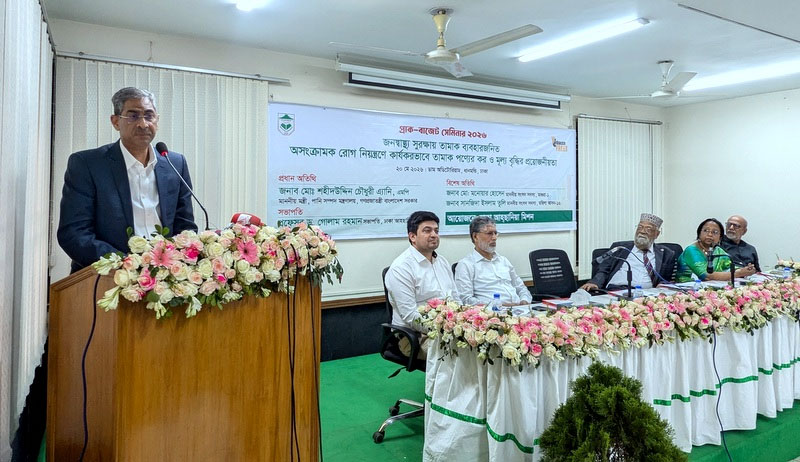
The landmark launch and workshop convened an elite assembly of public health dignitaries, policymakers, and grassroots advocates, effectively dismantling traditional institutional hierarchies. The event was graced by the presence of Dr. Mohammad Shahariar Sajjad, Director of Mycobacterial Disease Control (MBDC) at the Directorate General of Health Services (DGHS), alongside Professor (Dr.) Shah Ali Akbar Ashrafi, Former Director of Management Information System (MIS) at DGHS and current BCCM member. They were joined by prominent members of the Bangladesh Country Coordinating Mechanism (BCCM), senior representatives from the Ministry of Health and Family Welfare (MoHFW), and key civil society leaders. Crucially, the policy dialogue shared the physical room with those holding vital lived experiences: TB survivors, Drug-Resistant TB (DR-TB) champions, HIV survivors, and diverse Young Key Populations (YKP) from across the country, including 15 outer-district grassroots advocates mobilized through dedicated regional stipends.
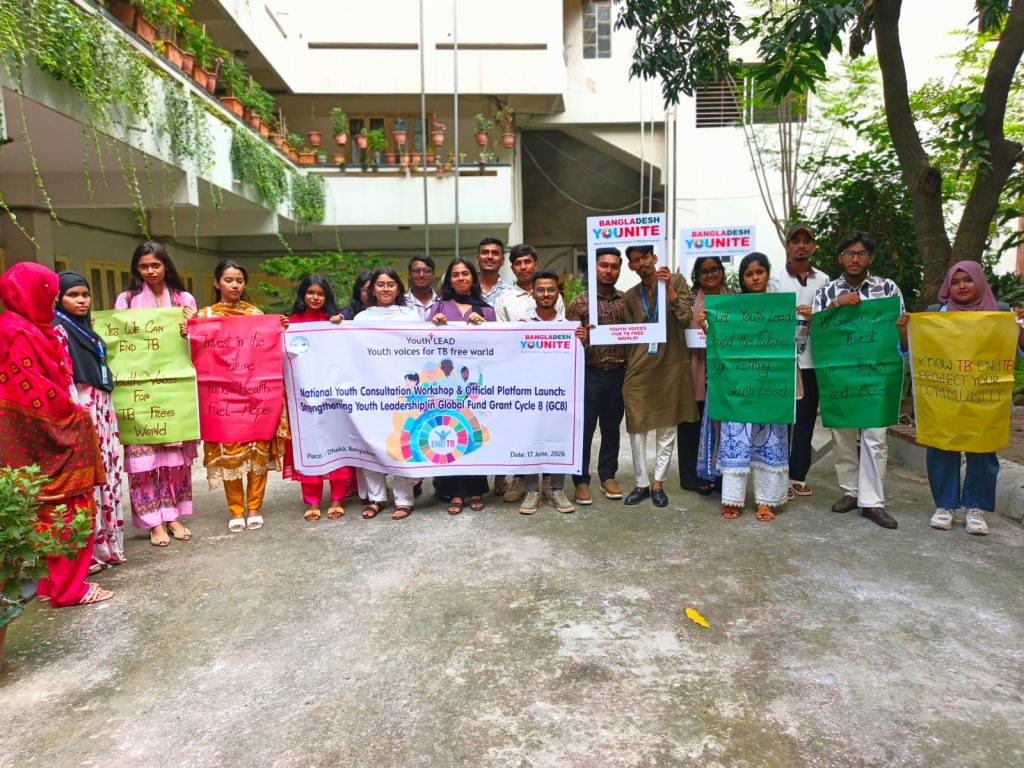
During the policy interface, the youth cohort stood side-by-side with government leaders to present a validated Youth Position Paper on GC8. This document outlines clear structural recommendations, such as the establishment of One-Stop Integrated Health Corners combining confidential HIV screening and rapid molecular TB testing, as well as the formal funding of youth-driven Community Scorecards. Government and DGHS officials warmly received the presentation, signaling strong institutional willingness to integrate youth-centric budget lines into the final national proposal text. Led by an 100% youth-led Steering Committee under the guidance of Nari Maitree, YOUNITE Bangladesh has officially evolved from a grassroots network into an institutionalized partner—transforming young people from passive healthcare beneficiaries into active, well-resourced architects of Bangladesh's health accountability.