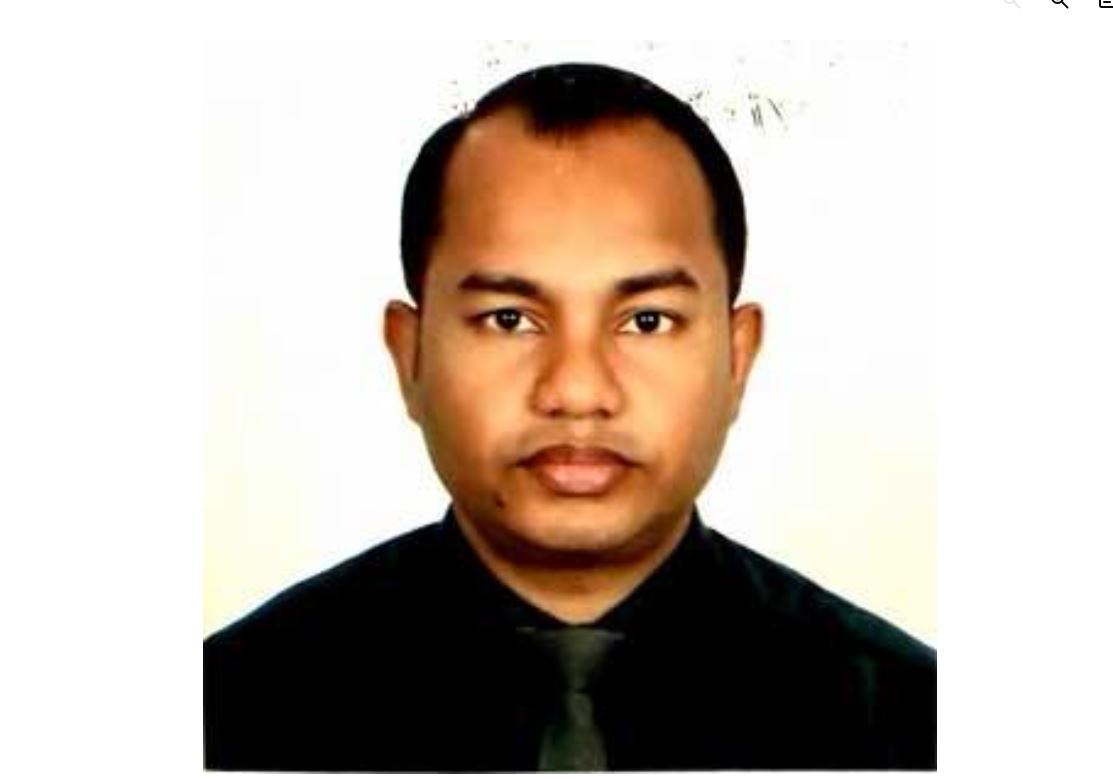

TBT Desk : Executive Engineer Somiron Mistry of the Public Works Department (PWD) is playing an important role in expanding renewable energy and promoting rooftop solar power generation in Bangladesh. With approximately 15 years of professional experience, he has been involved in the design, implementation, supervision, and technical evaluation of solar power projects. His work particularly focuses on expanding solar energy systems across government buildings and infrastructure.
Somiron Mistry is currently serving as an Executive Engineer at PWD BBRA (E/M Unit-2), Headquarters, Dhaka. He has specialized experience in solar photovoltaic (PV) technology and the design and implementation of grid-connected and hybrid solar power systems. He has been associated with the design, development, implementation, and supervision of solar power projects with a combined capacity of up to 300 MW (AC).
Throughout his professional career, he has worked on preparing technical specifications, developing project documents, installing and testing solar systems, commissioning projects, and evaluating system performance. He has also contributed to quality control and technical assessment of solar energy projects.
Alongside his responsibilities at PWD, Mistry is involved in the technical evaluation and review of renewable energy projects undertaken by various government organizations. He serves as a member of Technical Evaluation Committees (TEC) of several institutions, including the Bangladesh Power Development Board (BPDB), Sustainable and Renewable Energy Development Authority (SREDA), and Bangladesh Standards and Testing Institution (BSTI).
One of Somiron Mistry’s notable professional contributions is his involvement in developing the basic design and implementation guidelines for on-grid and on-grid hybrid rooftop solar power systems in Bangladesh. Published on the official website of the Public Works Department, the guidelines provide practical technical directions for the design and implementation of rooftop solar power systems.
According to relevant stakeholders, such guidelines can serve as important resources for engineers, consultants, contractors, and implementing agencies. They can help establish a standardized and systematic approach to the implementation of solar power projects.
Mistry is also associated with the Public Works Department’s approximately 300 MW rooftop grid-connected solar power initiative, which aims to utilize the rooftops of government buildings and other infrastructure for electricity generation.
Once implemented, the initiative is expected to make productive use of unused rooftop spaces in government buildings. It is also expected to help reduce electricity expenditure in government institutions, improve energy efficiency, and decrease dependence on conventional fossil-fuel-based electricity generation.
According to energy experts, expanding renewable energy in Bangladesh requires more than financial investment. It also demands skilled professionals, appropriate technology selection, standardized system design, proper installation, and effective operation and maintenance. In this regard, the technical expertise of experienced engineers can play a significant role.
Bangladesh has considerable potential to expand rooftop solar power systems across government buildings, educational institutions, industrial facilities, and commercial establishments. Realizing this potential will require policy initiatives as well as the involvement of experienced engineering professionals.
Through his extensive professional experience at the Public Works Department, participation in technical evaluation activities across government organizations, and involvement in developing solar power project guidelines, Engineer Somiron Mistry continues to contribute to the advancement of renewable energy in Bangladesh.