
Niaz Mahmud from New York (USA)
Bangladesh is continuing to shoulder the immense humanitarian burden of hosting more than 1.2 million Rohingya refugees, nearly a decade after hundreds of thousands fled violence and persecution in Myanmar.
The protracted crisis has placed growing pressure on humanitarian services, host communities and Bangladesh’s limited resources, while the prospect of a safe and sustainable return to Myanmar remains uncertain.
President of the 81st United Nations General Assembly Dr Khalilur Rahman has described the Rohingya situation as a “grave human crisis”, recalling the suffering of the refugees and their continued desire to return home.
Speaking to UN News, Rahman said the Rohingya crisis had demonstrated that violence could not provide a lasting solution. Dialogue, negotiation and collective international action were necessary to resolve such crises, he said.
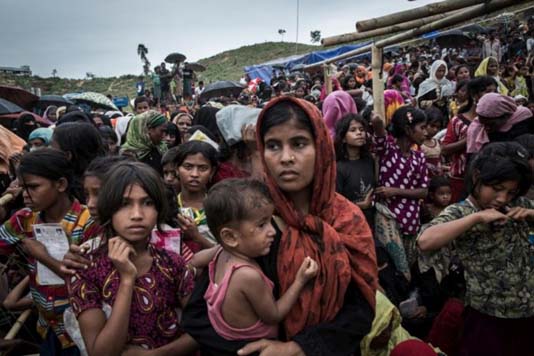
Bangladesh is currently hosting Rohingya refugees mainly in Cox’s Bazar and on Bhasan Char. According to the United Nations, nearly 1.2 million Rohingyas are living in Bangladesh, while around 150,000 additional refugees have arrived since early 2024 as conflict in Myanmar has intensified.
The continued influx has further strained the already overcrowded camps, where refugees depend heavily on humanitarian assistance for food, shelter, healthcare, sanitation, education and protection.
The United Nations and its humanitarian partners have appealed for $710.5 million in 2026 to provide essential assistance to Rohingya refugees and affected Bangladeshi host communities. The appeal aims to reach up to 1.56 million people, including refugees and members of host communities in Cox’s Bazar.
The funding requirement itself reflects the scale of the challenge. The UN says the appeal is 26 percent lower than that of 2025 and represents only the minimum amount required to maintain life-saving services.
Food remains the largest component of the appeal, requiring $247.3 million, followed by shelter, water and sanitation, education, health and livelihood support. The humanitarian response also includes funding for Bangladeshi communities affected by the prolonged refugee presence.
For Bangladesh, the crisis is not simply a humanitarian issue but also a long-term social, economic, environmental and security challenge for the densely populated southeastern region.
The UN’s 2025-26 Joint Response Plan identifies early, voluntary and sustainable repatriation of the Rohingyas to Myanmar as a key objective, alongside protection, humanitarian assistance and support for host communities.
Bangladesh has consistently maintained that the refugees must ultimately return to Myanmar in a safe, voluntary, dignified and sustainable manner. But continuing conflict and instability in Myanmar have made immediate large-scale repatriation difficult.
As the Rohingya crisis enters its ninth year, Bangladesh is increasingly seeking stronger and sustained international engagement. For Dhaka, continued humanitarian assistance is essential to protect the refugees and support host communities, but a durable solution ultimately requires conditions that allow the Rohingyas to return home safely.
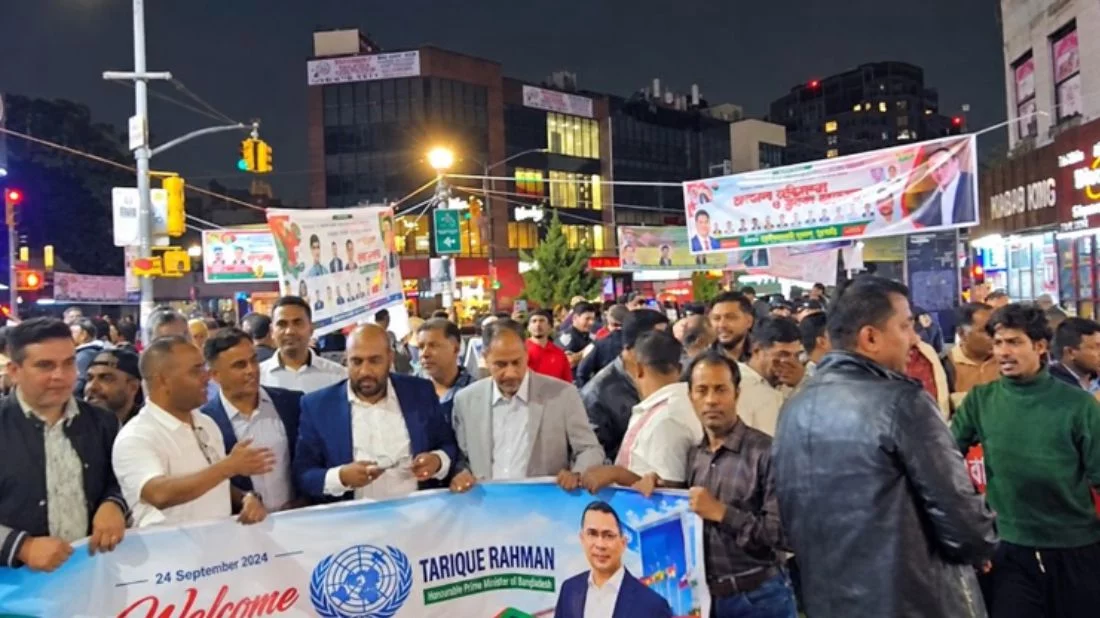
The UN General Assembly’s high-level gathering in New York is therefore providing Bangladesh with another opportunity to keep the Rohingya crisis on the international agenda and seek greater global cooperation for a lasting solution.