
TBT DESK
In the aftermath of the devastating flash flood in Nepal, thousands of families are struggling to survive amid widespread destruction and displacement. Communities are facing immediate shortages of food, safe drinking water, emergency shelter, essential household items, and healthcare services. Vulnerable groups including children, women, the elderly, and persons with disabilities are at heightened risk due to the loss of livelihoods, limited access to services, and increased protection and psychosocial concerns.
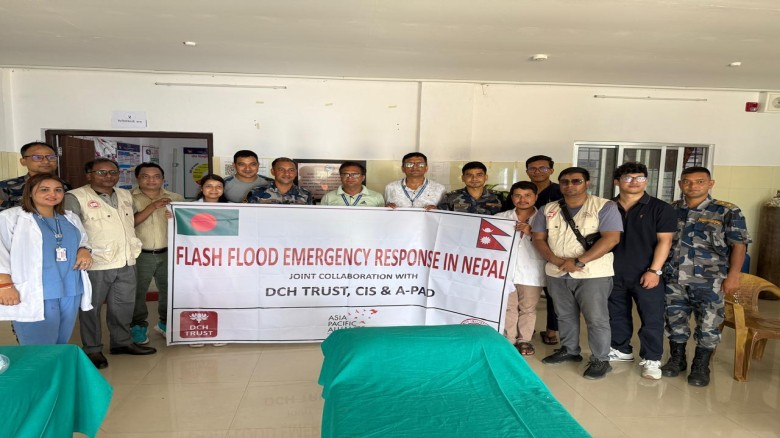
To sustain support in flood affected areas of Nepal, Dhaka Community Hospital Trust (DCHT) have handed over Non food items, essential medicines, and life saving supplies to the Field Hospital at Trishuli Bazaar’s No. 1 Military Training Center.
Speaking from Nepal, DCHT’s executive team member MD. GOLAM MOSTAFA explained that during disasters like floods, children, the elderly, women, and patients with chronic illnesses face the highest health risks. Interruptions in regular medicine supplies can worsen complications for these vulnerable groups. To ensure uninterrupted treatment, the team took the initiative to deliver essential medicines. The supplies include medicines for patients with diabetes, hypertension, asthma, and hyperlipidemia, as well as treatments for common post flood conditions such as coughs, colds, skin diseases, and gastric problems.
Considering the heightened risk of infection and health hazards from floodwaters, the team also provided sanitary napkins, face masks, and antibacterial soaps. Moreover, for Non Food Items the team provided- solar lighting, cloths, towel and chocolates for children. These items are expected to play a vital role in protecting women and children and preventing the spread of diseases. Field hospitals are crucial in delivering rapid medical care to remote and disaster stricken areas. Despite limited facilities, doctors and health workers stationed there continue to serve flood affected communities on the frontlines. Nepal Government Officials and local authorities emphasized that humanitarian assistance and mutual cooperation are key to reducing the suffering of disaster hit populations.
Through this initiative, DCHT hope to strengthen emergency medical services for Nepal’s flood affected communities more effectively.