
As Bangladesh observes the International Day of the Victims of Enforced Disappearances, popularly known as 'Ghum Day', the country is confronting one of the most disturbing chapters of its recent political history, marked by the widespread allegations of enforced disappearances during the 15-year rule of the Awami League government that ended with the fall of Sheikh Hasina in August 2024.
The Day is observed annually on August 30 to honor victims, support their families, and raise global awareness against secret detention and forced abductions.
For years, families of people who allegedly disappeared after being picked up by law enforcement or intelligence personnel lived with uncertainty, often without knowing whether their loved ones were alive or dead.
The issue came into sharper focus after the formation of the Commission of Inquiry on Enforced Disappearances by the interim government following the July-August 2024 mass uprising.
The commission, in its final report submitted in January 2026, said it had received 1,913 complaints and, after verification, identified 1,569 cases as enforced disappearances under its definition. Of those, 287 were classified as cases in which the missing person was believed to be dead.
The actual number could be considerably higher, estimating that between 4,000 and 6,000 people may have been subjected to enforced disappearance, as many victims and families had never approached the commission, according to commission members.
The commission described enforced disappearances as largely politically motivated, saying its investigation found evidence of involvement at the highest levels of the then government.
It identified several prominent cases, including those involving BNP leaders M Ilias Ali, Chowdhury Alam, Salahuddin Ahmed and Hummam Quader Chowdhury, Jamaat leader Abdullahil Amaan Azmi, Barrister Mir Ahmed Bin Quasem and former ambassador Maroof Zaman.
The allegations were not confined to a particular period. Human rights groups had for years documented cases of people allegedly being picked up by plain-clothes security personnel, taken to unknown locations and held incommunicado.
According an OHCHR assessment, Bangladeshi civil society groups documented 708 alleged enforced disappearances since 2009, while the Rapid Action Battalion was implicated in more than 200 alleged disappearances.
Among the cases that came to symbolise the phenomenon was the disappearance of BNP leader M Ilias Ali, who went missing along with his car driver on April 17, 2012. His whereabouts have remained unknown.
Another prominent case involved BNP leader Chowdhury Alam, who was allegedly picked up by plain-clothes security personnel in Dhaka on June 25, 2010. He has never been traced.
The commission's findings have since brought several of these long-standing cases back into the national spotlight. In June 2026, a witness before the International Crimes Tribunal testified about the alleged role of former senior RAB officer Major General (retd) Ziaul Ahsan in the disappearance of Ilias Ali.
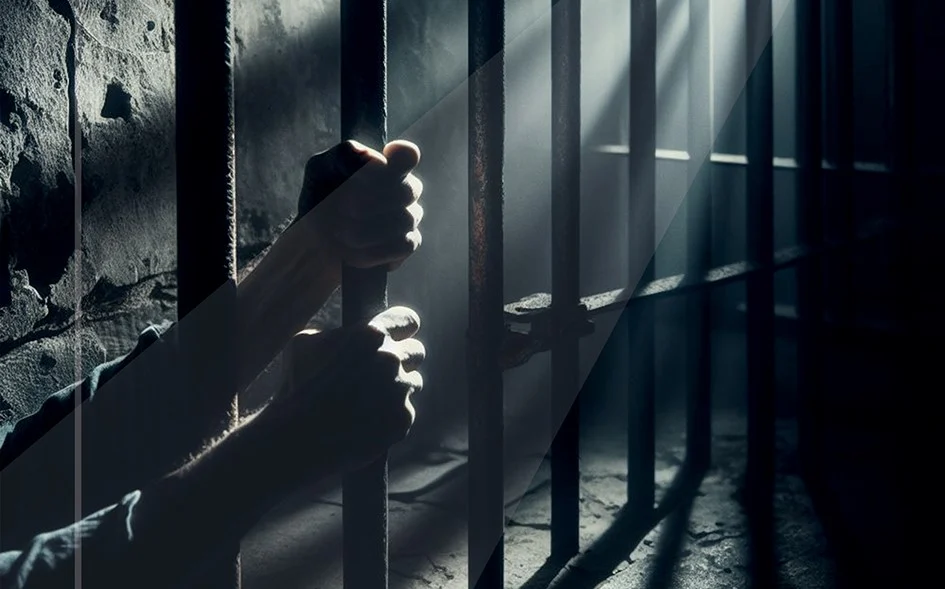
One of the most chilling symbols of the alleged disappearance regime was 'Aynaghar', a term that came to be associated with secret detention facilities where victims were allegedly held outside normal judicial procedures.
The Commission of Inquiry said its investigation uncovered evidence of secret detention centres and a system in which operations were deliberately compartmentalised, making it difficult to establish responsibility.
In December 2024, the commission's first interim report said it had already received 1,676 complaints and estimated that the number of enforced disappearances could exceed 3,500. It said it had found prima facie involvement of former Prime Minister Sheikh Hasina and several senior officials in disappearances and described a "systematic design" aimed at keeping such incidents hidden.
The immediate past interim government subsequently said there had been hundreds of such secret detention facilities across the country, while many victims had returned after spending months or years in captivity and others remained missing.
The Commission of Inquiry found a strong political dimension to the disappearances.
According to its final report, among victims who returned alive, 75 percent were leaders or activists of Jamaat-Shibir and 22 percent were affiliated with BNP and its organisations. Among those who remained missing, 68 percent were BNP-affiliated and 22 percent Jamaat-Shibir-affiliated, according to the commission.
The findings reinforced long-standing allegations by opposition parties and rights groups that enforced disappearance was used to intimidate, silence or neutralise political opponents.
At the same time, the former ruling Awami League had rejected allegations that it operated a policy of enforced disappearance.
The issue remained politically sensitive throughout the Awami League's tenure. Families of disappeared persons repeatedly organised demonstrations, human chains and public campaigns demanding information about their relatives.
The platform 'Mayer Dak', formed by families of victims, became one of the most prominent voices demanding truth and accountability.
On August 30, 2024, marking the International Day of the Victims of Enforced Disappearances, families and rights activists held programmes in Dhaka demanding international-standard investigations into the cases. Victims' relatives described years of uncertainty and emotional suffering.
The change in political power after August 5, 2024 opened the way for a formal state investigation.
Bangladesh also ratified the International Convention for the Protection of All Persons from Enforced Disappearance on August 29, 2024, a step that strengthened the country's international commitment to preventing the crime and protecting victims and their families.
The past interim government later approved the Enforced Disappearance Prevention and Redress Ordinance 2025, providing for investigation, special tribunals, protection of victims and witnesses, compensation, legal aid and a national database of disappearance cases.
The ordinance also recognised the establishment and use of secret detention centres as punishable offences.
The government subsequently moved toward a permanent legal framework. In May 2026, Law Minister Md Asaduzzaman said a proper law would be enacted after consultation with stakeholders to ensure strict punishment for those responsible and to ensure that enforced disappearance could never return to Bangladesh.
The draft law, titled the Enforced Disappearance Prevention and Redress Act, 2026 is designed to prevent enforced disappearances, ensure the punishment of those responsible, and provide protection and remedies for victims and their families.
It emphasizes that enforced disappearance is a grave violation of human rights and the rule of law
It introduces severe penalties, including life imprisonment or the death penalty for fatalities, and provides victims' families with "Disappearance Certificates" to manage property and access compensation funds.
Having been published on the Home Ministry website for public opinion since July 27, the draft law is currently awaiting final approval from the cabinet.
The July Memorial Museum project has said it will preserve records of the period, including enforced disappearances, killings and the alleged Aynaghar detention system.
The museum authorities had also collected audio recordings allegedly containing instructions related to disappearances and killings.
As Bangladesh observes 'Ghum Day', the stories of those who disappeared remain unfinished. For the families, the demand goes beyond compensation or acknowledgement.
They want to know what happened to their sons, daughters, husbands, fathers and brothers-and they want those responsible to face justice.
The Commission of Inquiry's findings, the ongoing tribunal proceedings and the proposed legal framework have opened a new chapter in Bangladesh's effort to confront enforced disappearance.
The challenge now is to ensure that the truth is established through credible investigations and due process, the victims and their families receive justice and reparations, and the machinery of the state can never again be used to make people simply vanish.