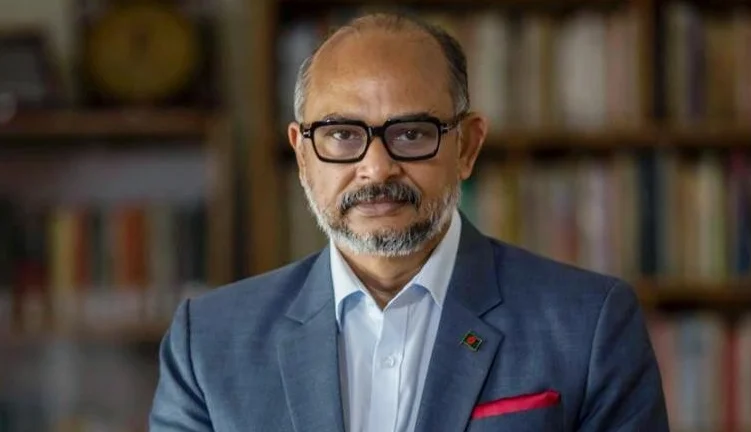
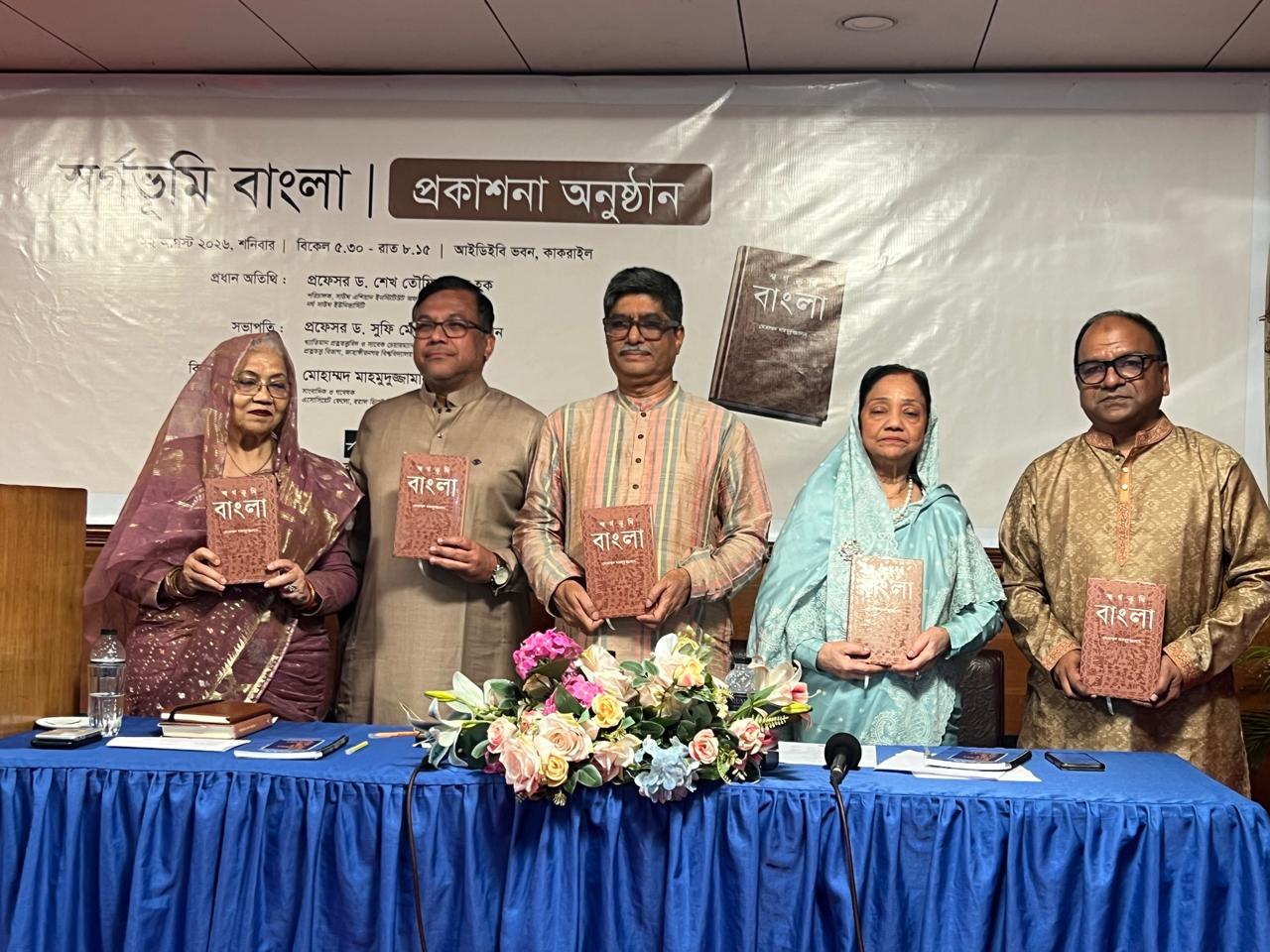

TBT DESK: The launch of ‘Swargabhumi Bangla’, a new book by journalist and researcher Mohammed Mahmuduzzaman, Associate Fellow of the Royal Historical Society (UK), was held at the IDEB Bhaban in Kakrail, Dhaka. The book explores the glorious and positive aspects of Bengal’s history, heritage, economy, trade, education and culture.
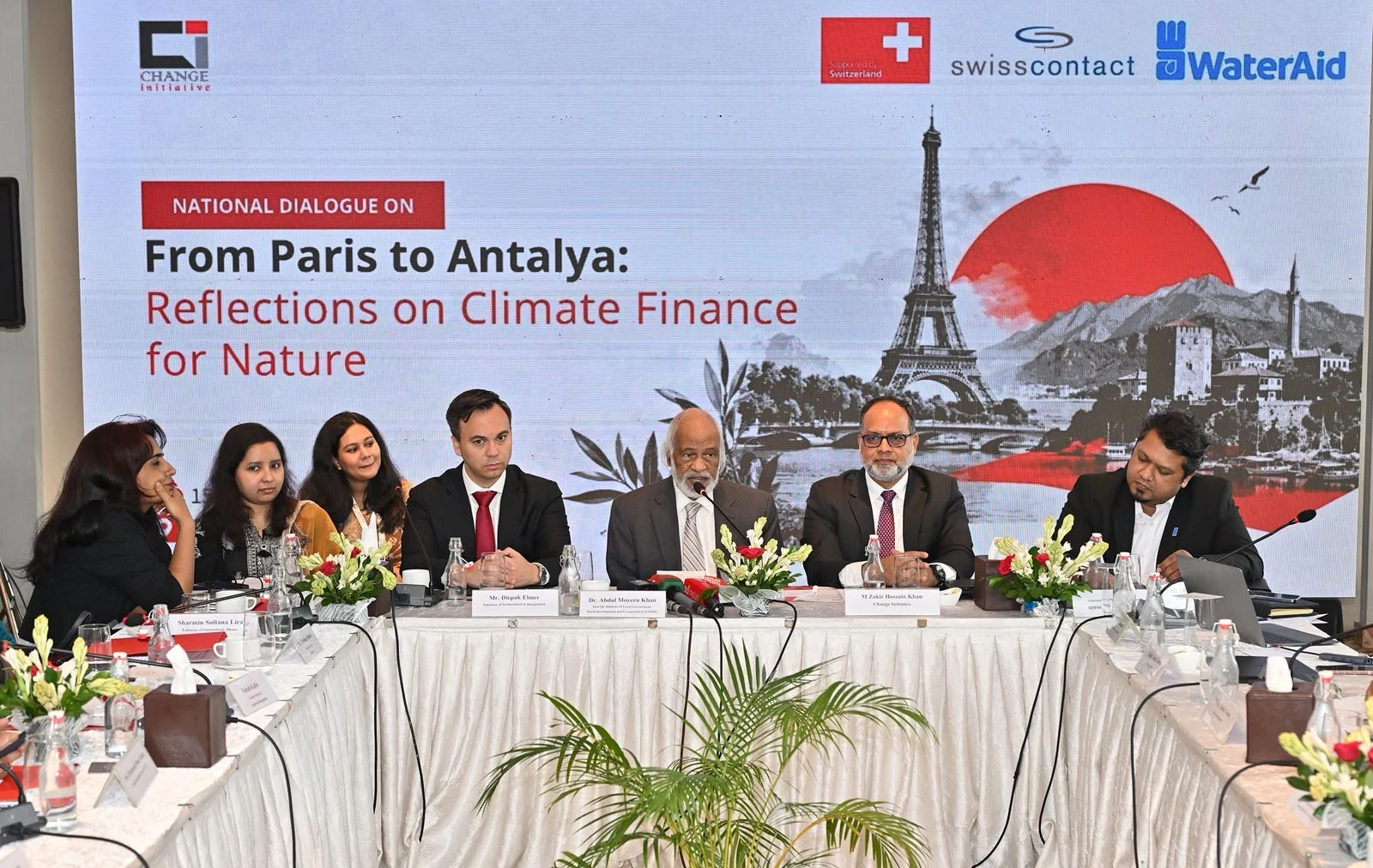
Organised by publishing house Roots, the event drew more than 1,500 people and took place from 5:30 pm to 8:15 pm. Professor Dr Sk Tawfique M Haque, Director of the South Asian Institute of Policy and Governance at North South University, was the Chief Guest. At the same time, Professor Dr Sufi Mostafizur Rahman, renowned archaeologist and former Chairman of the Department of Archaeology at Jahangirnagar University, chaired the event. Author Mohammed Mahmuduzzaman delivered an engaging presentation on the glorious history of Bengal.
In his speech, Chief Guest Professor Dr Sk Tawfique M Haque said Bengal’s history should not be confined to political developments alone; its economic, commercial, cultural and humanitarian contributions also need to be reassessed from a fresh perspective. He said Swargabhumi Bangla would enrich this important discourse and present readers with a broader and more positive account of Bengal’s history.
In his remarks, Prof Dr Sufi Mostafizur Rahman said the rich past reflected in Bengal’s ancient history and archaeological heritage needs to be brought to the attention of the younger generation. He said the book was an important addition to the study of Bengal for its attempt to explore the region’s distinctive strengths, creativity and contribution to civilisation beyond conventional historical narratives.
Author Mohammed Mahmuduzzaman said he had written Swargabhumi Bangla based on nearly two decades of research and investigation. He said the book seeks to show how the people of Bengal influenced the wider world not through war, colonial expansion or plunder, but through intellect, education, expertise, industry, trade, creativity and a spirit of openness and humanity.
Swargabhumi Bangla explores Bengal’s contributions over thousands of years in agriculture, trade, industry, education and culture, as well as its connections and influence across different civilisations and regions of the world.
The book argues that Bengal, as a contemporary of the great civilisations of the ancient world, was by no means behind them. In later periods, too, Bengal’s trade and production played a significant role in the economies and commercial activities of various parts of the world. Textiles produced in Bengal were in high demand in European markets, while Bengali goods were also highly valued in the Arab world and Africa. The book traces the reach of Bengal’s commercial and cultural influence from South and Southeast Asia to Australia.
The book further highlights that Bengal extended its influence not through colonial expansion, warfare, raiding or plunder, but through its secular and liberal humanism, intellect, expertise, education, industry, trade and creativity. It also explores the distinctive reputation Bengal developed for hospitality, generosity and humanity.
Based on nearly two decades of research and investigation, ‘Swargabhumi Bangla’ moves beyond conventional approaches to history and presents readers with a different perspective on Bengal’s glorious and positive past.