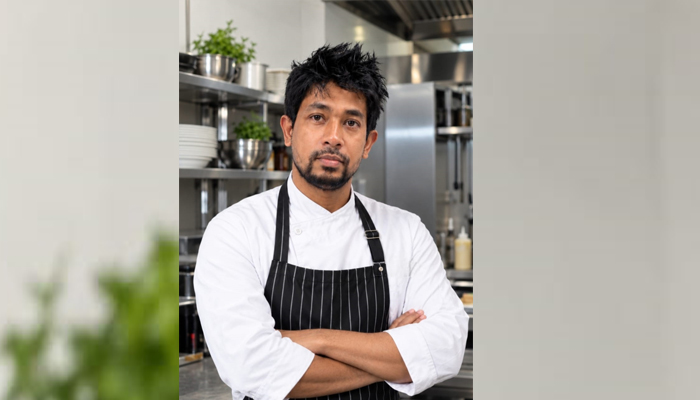

From digital influence to culinary education, Chef Jahed is working to reshape how Bangladeshi food is documented, presented and experienced.
Bangladesh’s culinary heritage is rich with distinctive flavours, regional traditions and generations of cooking knowledge. Yet, despite its diversity and cultural significance, Bangladeshi cuisine remains underrepresented on the international fine-dining stage. A new generation of culinary professionals is seeking to change that narrative, and Chef Jahed is among the emerging voices working to bring greater recognition to the country’s food culture.
With a growing digital audience, a focus on culinary education and an ambition to elevate traditional Bangladeshi dishes through contemporary techniques, Chef Jahed represents a modern approach to preserving and promoting the nation’s culinary identity.
A Digital Voice Reaching Millions
Chef Jahed has developed a substantial online presence, connecting with food enthusiasts and aspiring cooks through multiple digital platforms. According to figures provided for this profile, His Facebook page has 360,000 followers, while his Instagram 400,000 followers till Today.
His digital reach extends beyond social media. His official website reportedly receives approximately 10 million visitors per month, while his Pinterest content attracts around five million monthly viewers. These figures, if independently verified, would demonstrate a significant opportunity to engage audiences with Bangladeshi food, culinary knowledge and professional cooking techniques.
In an increasingly digital world, chefs can influence more than what people eat. They can shape how people understand ingredients, appreciate culinary traditions and discover the stories behind a country's cuisine. Chef Jahed’s online presence offers a platform through which Bangladeshi culinary culture can reach audiences beyond geographical boundaries.
Making Professional Culinary Knowledge Accessible in Bangla
One of the most distinctive aspects of Chef Jahed’s work is his commitment to communicating culinary knowledge in Bangla.
Professional culinary education often relies on English-language textbooks, technical terminology and training resources that may be less accessible to many Bangladeshi learners. By developing culinary educational material in the Bengali language, Chef Jahed seeks to make professional cooking knowledge more accessible to aspiring chefs, culinary students and home cooks.
He is also credited with writing what is described as the first professional culinary arts guidebook in Bangla. If established through bibliographic research, this milestone could represent a meaningful contribution to Bengali-language culinary education, helping bridge the gap between traditional cooking knowledge and modern professional kitchen practices.
A comprehensive culinary guide in a reader's own language can do more than explain recipes. It can introduce the principles of kitchen organisation, cooking methods, ingredient selection, flavour development, food safety, presentation and the discipline required in a professional kitchen.
For Bangladesh, expanding access to such knowledge could help nurture a new generation of culinary talent equipped to work confidently in local and international food industries.
Bringing Bangladeshi Cuisine to the Fine-Dining Table
Bangladeshi cuisine has considerable potential for international recognition. Its culinary traditions encompass freshwater fish, rice, seasonal vegetables, regional spices, slow-cooked meats, diverse chutneys, pickles, sweets and distinctive preparations shaped by geography and history.
However, introducing a cuisine to the international fine-dining world requires more than exceptional flavour. It also calls for thoughtful presentation, technical consistency, carefully designed menus, ingredient knowledge and a compelling understanding of cultural identity.
Chef Jahed’s vision centres on presenting Bangladeshi food through the standards and creativity associated with contemporary fine dining. This includes professional food plating, carefully considered meal courses and a more structured dining experience that preserves the essence of traditional dishes while exploring modern culinary presentation.
The goal is not to replace traditional Bangladeshi food with foreign techniques. Rather, it is to demonstrate how the country's authentic flavours and culinary heritage can be expressed in new ways without losing their identity.
A familiar regional dish, for example, can become an exploration of texture, balance, aroma and presentation when approached with professional culinary discipline. Similarly, traditional ingredients can form the foundation of a carefully composed tasting menu that tells a story about Bangladesh's landscape, culture and people.
Such an approach could help challenge the perception that Bangladeshi cuisine belongs primarily in informal or home-style dining settings. It deserves to be explored across the full spectrum of culinary experiences, from everyday meals to ambitious fine-dining menus.
The Ambition of Michelin-Level Excellence
For chefs seeking international recognition, Michelin-starred restaurants are often associated with exceptional standards of cooking, precision, consistency, creativity and hospitality. Chef Jahed’s ambition to bring Bangladeshi cuisine to a comparable level of fine-dining excellence reflects a broader aspiration to see the country's food traditions receive greater international attention.
Achieving that ambition requires sustained investment in professional training, ingredient quality, kitchen standards, service, menu development and culinary research. Michelin recognition also depends on the organisation's geographic coverage and independent assessment; it cannot be guaranteed by presentation alone.
Nevertheless, the pursuit of world-class standards can be valuable in its own right. It encourages chefs to study their culinary heritage more deeply, refine traditional techniques and develop distinctive experiences that can stand confidently alongside cuisines from around the world.
Bangladeshi cuisine has the ingredients, history and regional diversity to support this journey. The challenge is to document its techniques, develop its professional vocabulary and present its strengths to a wider audience.
Preserving Heritage While Building the Future
The future of Bangladeshi gastronomy depends on the relationship between tradition and innovation. Traditional cooks preserve knowledge through experience, while professional culinary education can help document that knowledge and pass it on systematically.
Digital platforms provide another opportunity to share regional recipes, explain cooking methods and introduce audiences to ingredients and traditions that might otherwise remain localised.
Chef Jahed’s work brings these areas together: digital communication, Bangla-language culinary education and the promotion of Bangladeshi food through contemporary professional techniques.
His wider mission speaks to an important question for Bangladesh: how can a country with such a rich food culture build a stronger presence in global gastronomy while protecting the authenticity of its culinary heritage?
The answer will require contributions from chefs, researchers, hospitality professionals, food writers, culinary institutions and the wider food industry. It will also require greater documentation of regional recipes, recognition of traditional culinary practitioners and investment in the next generation of chefs.
A Bigger Vision for Bangladeshi Food
Chef Jahed’s journey reflects an emerging opportunity to connect Bangladesh’s culinary traditions with a global audience. His reported online following provides a platform for visibility, while his emphasis on Bangla-language culinary education addresses an important need for accessible professional knowledge.
His ambition to elevate Bangladeshi dishes through fine-dining techniques, thoughtful plating and multi-course menus offers another way to communicate the depth and sophistication of the country's cuisine.
Ultimately, the success of this vision will be measured not simply by follower counts or online views, but by the lasting contribution it makes to culinary education, professional development and international appreciation of Bangladeshi food.
Bangladesh does not need to abandon its culinary traditions to compete on the global stage. It needs to understand them more deeply, document them more effectively and present them with confidence.
For Chef Jahed and the wider community of Bangladeshi culinary professionals, that is both a challenge and an opportunity: to help ensure that the flavours, techniques and stories of Bangladesh earn the recognition they deserve.