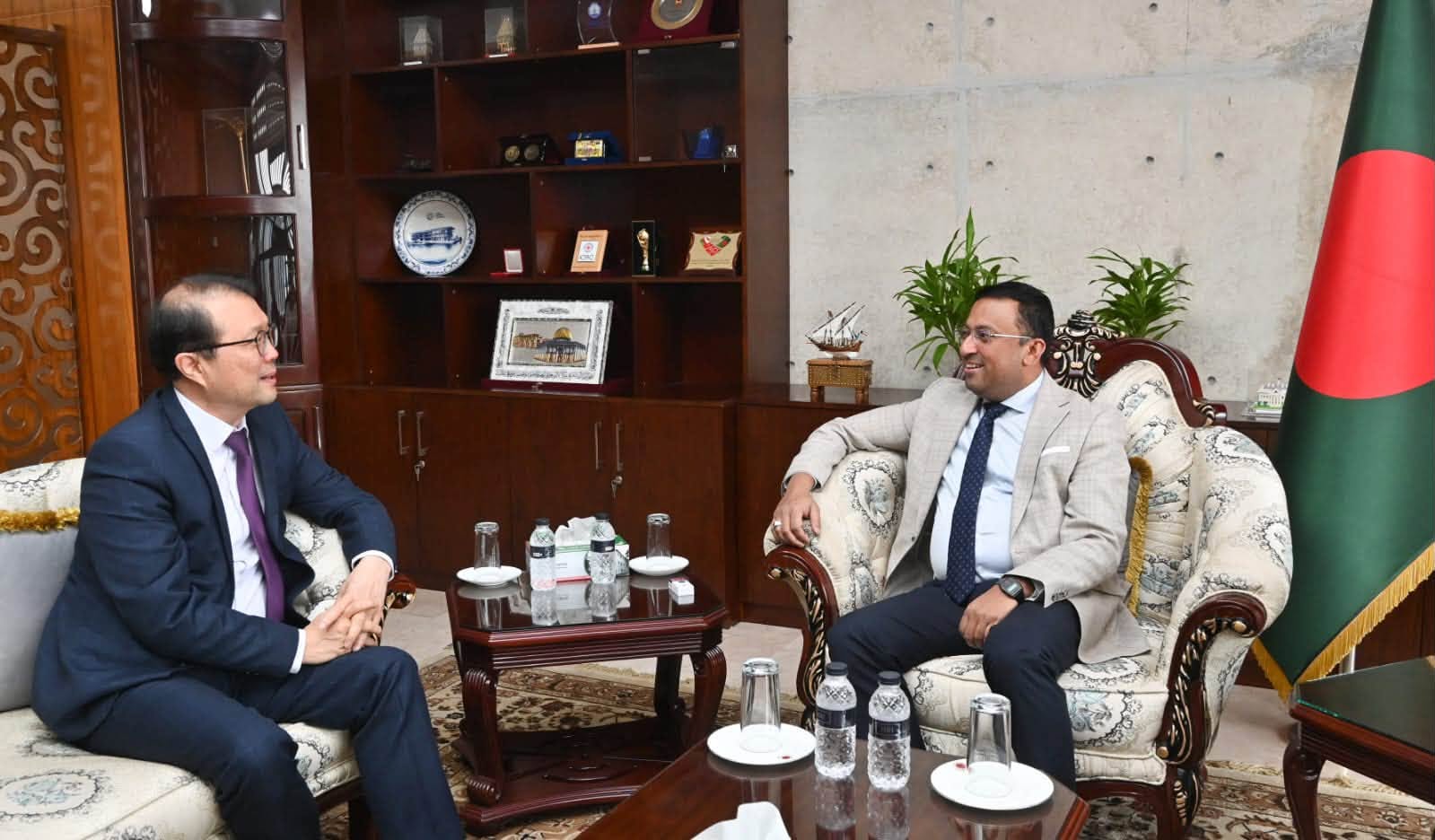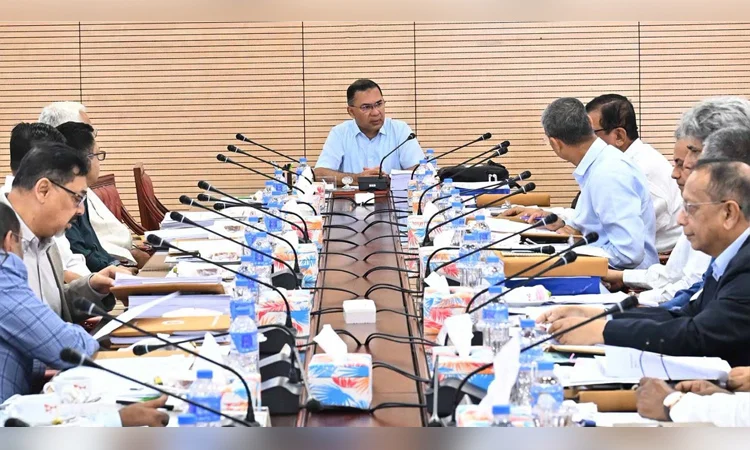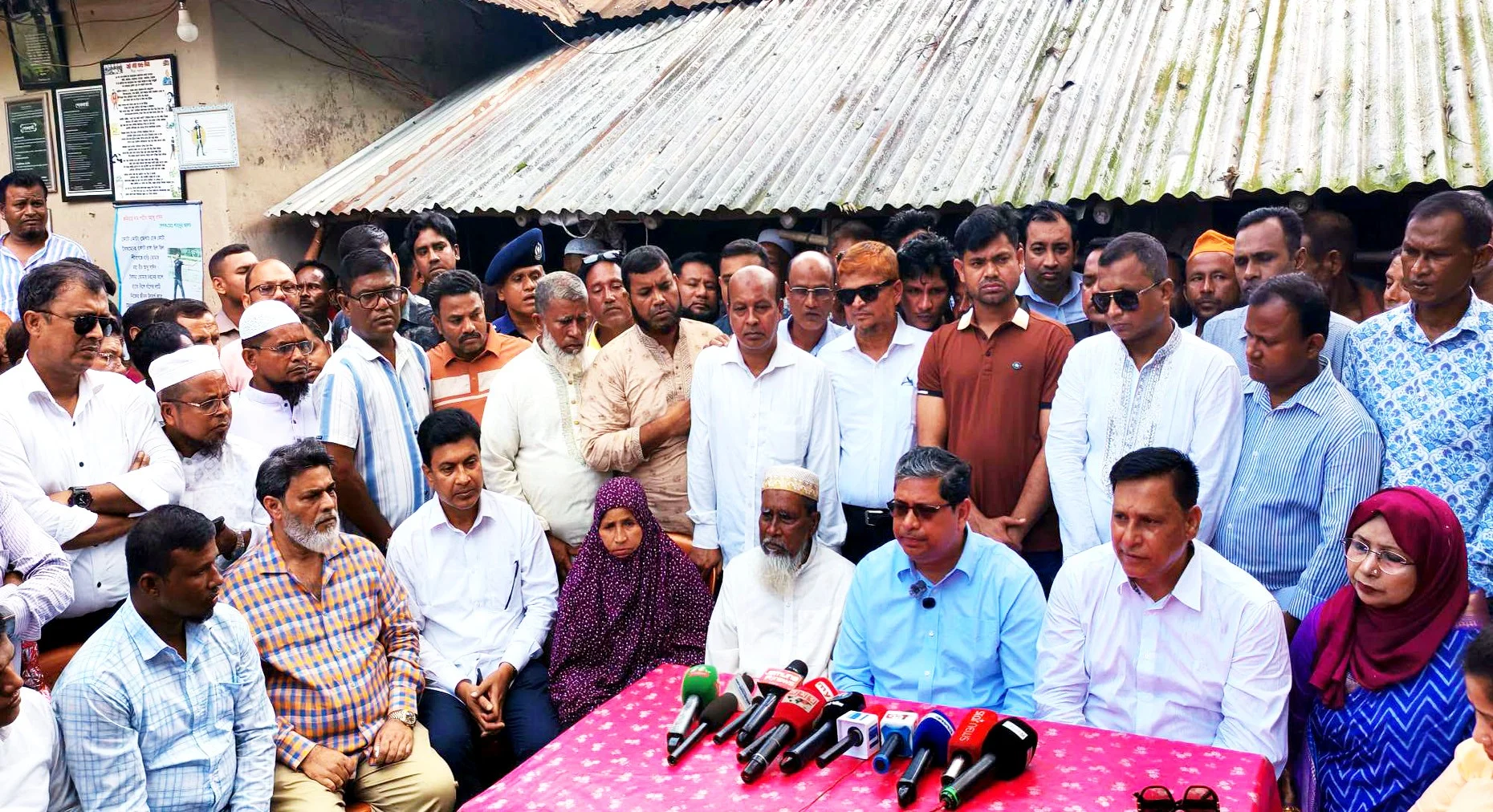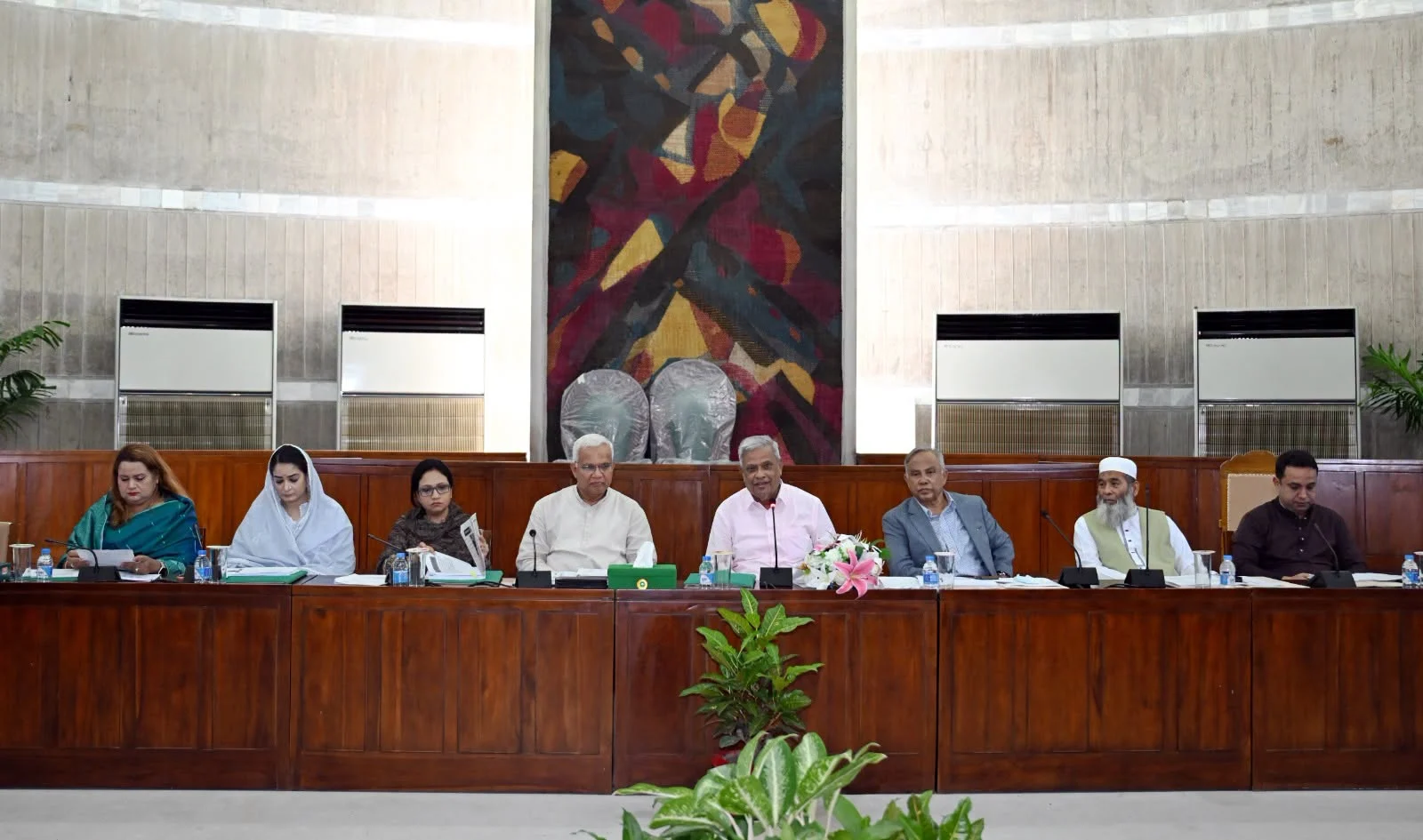
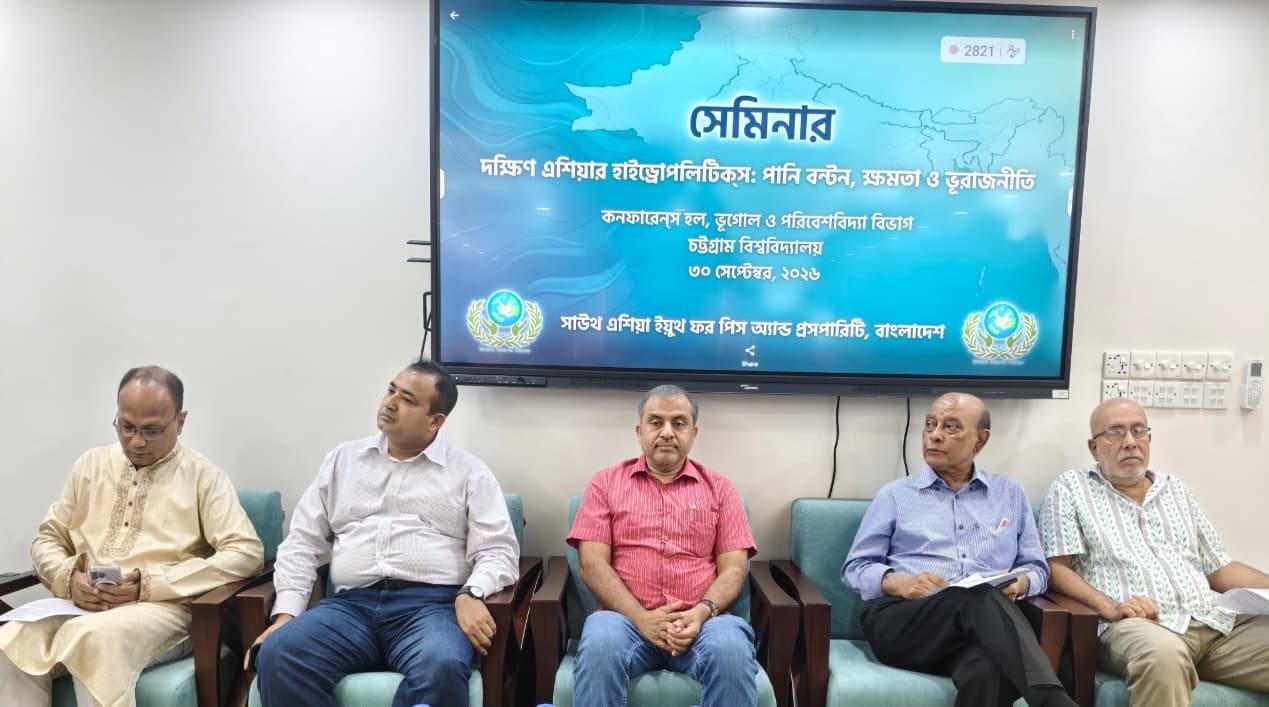

The South Asia Youth for Peace and Prosperity Society organized a seminar titled “Hydropolitics in South Asia: Water Sharing, Power and Geopolitics” on Wednesday, 30 September 2026, at 10:00 AM. The seminar was held at the Conference Room on the 5th Floor of the Department of Geography and Environmental Studies, Faculty of Biological Sciences, University of Chittagong.
The seminar was chaired by Professor Dr. Md. Iqbal Sarwar, Department of Geography and Environmental Studies, University of Chittagong.
In his keynote paper, Mr. Muhammad Tanbirul Islam, Faculty Member, Department of Bangladesh Studies, University of Chittagong, said that to understand water politics or hydropolitics in South Asia, it is not enough to ask only how much water a country will receive or control. There are several deeper issues involved. The geographical position of countries as upstream or downstream states, their capacity to control water flow, technological facilities, access to information, and political and economic relations together determine a state's capacity to negotiate.
The future of South Asian rivers is not only a question of water sharing; it is also a question of cooperation, justice, and shared responsibility. Rivers can create connections among states, but unequal management and political mistrust can also turn them into sources of division. Future water security will depend on how far countries can move from competition toward information sharing, mutual trust, and joint river management. Water politics in South Asia requires justice and, in particular, an end to India’s hegemonic political approach. This would help ensure the water rights of neighboring states and play a leading role in establishing a peaceful South Asia.
As a discussant, Professor Dr. A. K. M. Mahfuzul Haque (Mahfuz Parvez), Chairman, Department of Political Science, University of Chittagong, said that attempts to use water as a weapon in South Asia are a threat to peace and stability in the region. He said that India is, in effect, destroying Bangladesh’s rivers, which he described as a crime against humanity. He emphasized the need for a multidisciplinary approach to identify the problems and opportunities related to water and rivers and called upon the government to increase expert-led initiatives for policy formulation.
Mr. Shamchuddin Elias, Chattogram Bureau Chief of The Business Standard, said that academic research on Bangladesh’s rivers is necessary. Research should determine the contribution of rivers to Bangladesh’s GDP. Regarding the future renewal of the Ganges Water Sharing Treaty with India, he said that Bangladesh should not focus only on extending the existing agreement. Rather, in the context of climate change, Bangladesh should actively participate in negotiations to identify and include new and more equitable provisions in the Ganges Water Sharing Treaty.
Professor Dr. Kazi Md. Barkat Ali, Department of Geography and Environmental Studies, University of Chittagong, said that states in South Asia must work together to ensure water rights, including fair water sharing, by establishing people-oriented agreements based on research and reliable information.
Mr. Saleh Noman, General Secretary of the Chattogram Metropolitan Union of Journalists, said in his discussion that young people need to learn about policies related to water use. He called upon everyone to come forward to ensure Bangladesh’s fair share of water.
Mr. Zahidul Karim Kochi, President of the Chattogram Press Club and Resident Editor of Daily Amar Desh, said that water has become one of the important elements of geopolitics in South Asia. He said that water agreements in South Asia should be based on justice and practical research, while avoiding hegemonic attitudes. He emphasized the importance of an active role for young people in protecting Bangladesh’s fair share of water.